Stroke Signs and Response
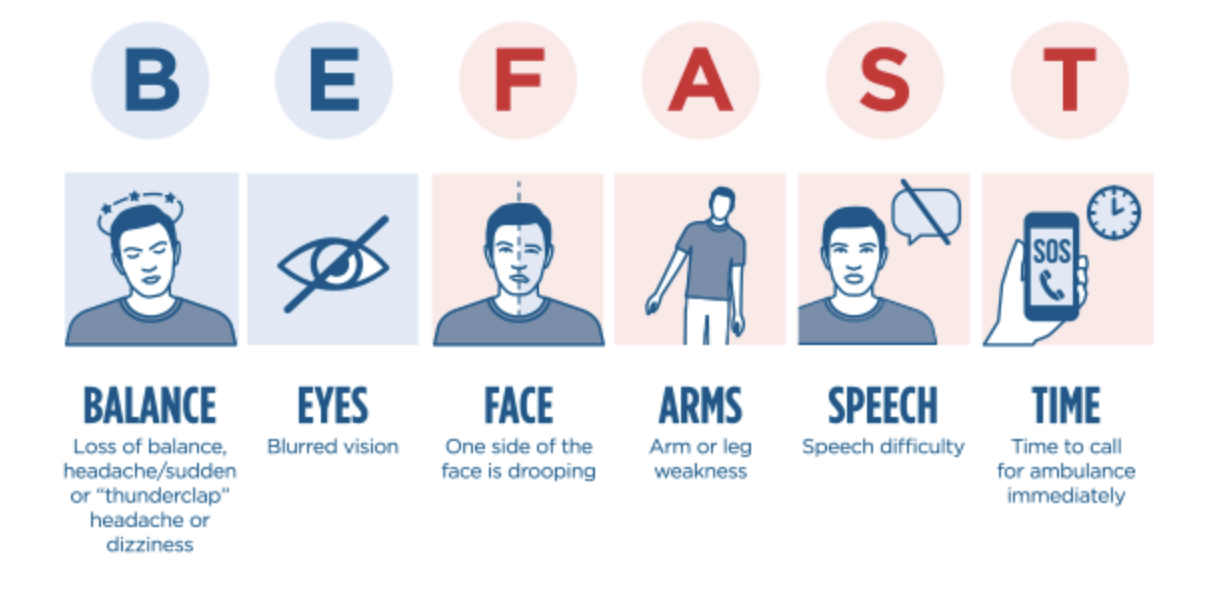
Strokes, just like heart attacks, are serious medical emergencies that occur all too often. They are the leading cause of serious long-term disability and are the third leading cause of death in the United States. Each year over 795,000 people experience a stroke in the US. Over 75% of stroke victims are over the age of 65 according to StrokeCenter.org.
Read More
WORKPLACE VIOLENCE
Workplace violence is any threat, disruptive behaviors, intimidation, physical aggression, or act of violence in the workplace including homicide. Homicide in the workplace is currently the fourth leading cause of death on the job. In 2017 alone, there were 458 deaths on the job due to homicide. According to OSHA, over 2 million people report being victims of workplace violence every year.
Read More
HEAVY EQUIPMENT OPERATION
Heavy equipment is used on many different kinds of work sites all around the world. This equipment is very effective for the job it was designed to do, but it can also be very hazardous. Proper work planning as well as operating equipment within its designed limits are important basic steps for safe operation.
Read More
PRESSURE WASHING SAFETY
There are many different types of injuries that can occur while using a pressure washer. According to the Consumer Product Safety Commission, an estimated 6,057 people went to an emergency room with injuries related to pressure washer use in 2014. While the pressure of the water can be considered the biggest exposure to risk during this work task, there are certainly many more hazards to be considered.
Read More
EASY WAY INSTEAD OF THE RIGHT WAY
There are many reasons as to why incidents occur that result in property loss or injury on the job. Oftentimes, there have to be multiple failures in the safeguards that are put into place (or not put into place) for an injury to occur due to an exposure to a hazard. A major reason there is a failure in the safeguards that are supposed to protect employees is that individuals take the easy way out when completing the work task instead of doing it the right way. It is necessary to recognize the importance of doing tasks the right way every time and the consequences of not doing so.
Read More
HYDROGEN SULFIDE DANGERS
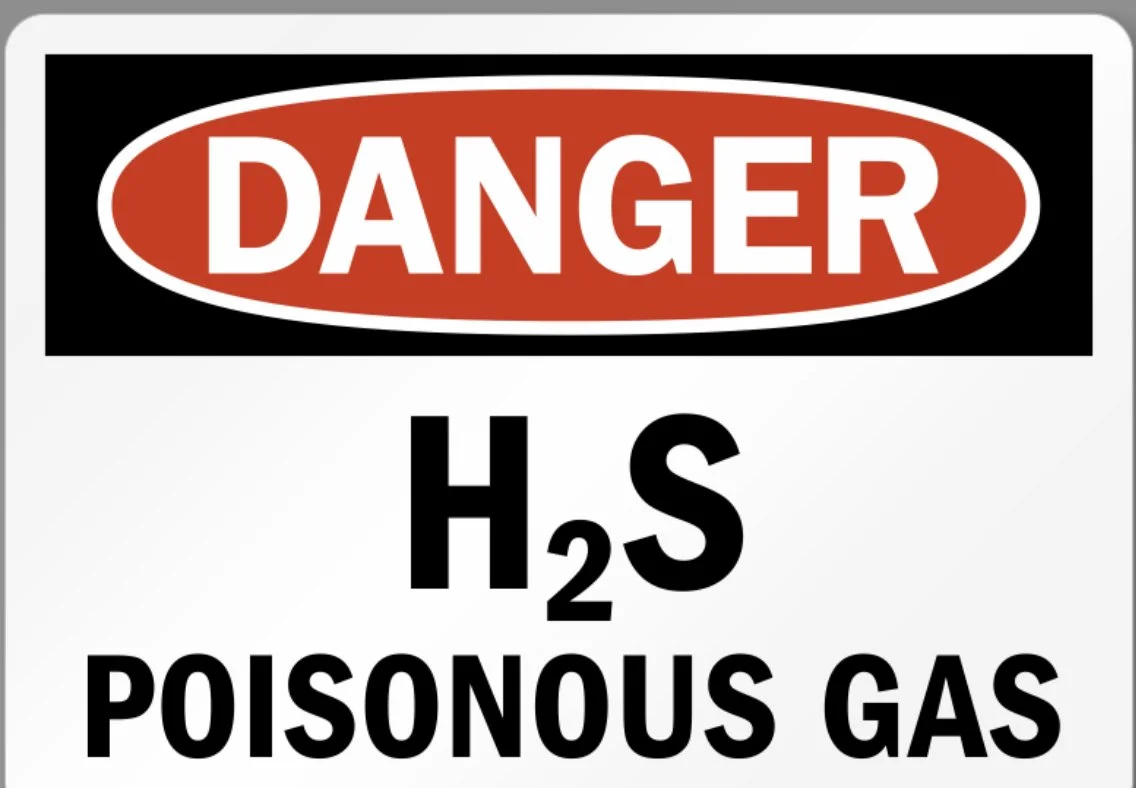
Hydrogen sulfide, also known as H2S, is a gas found both in nature and also produced by many industrial processes. Hydrogen sulfide is a colorless, flammable, extremely hazardous gas with a “rotten egg” smell. There are many dangers if exposed to too much H2S gas in a short time (acute exposure) or a lesser amount over a long time (chronic exposure). Many workers have been overcome and killed in environments that have had a large amount of H2S gas present. It is important to be familiar with the characteristics of hydrogen sulfide and the effects it can have on your health.
Read More
LACK OF TIME
There are many different sources of pressure individuals face at work for getting the job done. Time, or the lack of it, is a major driver in whether or not workers feel that they need to rush to get a job complete. It is important to plan work accordingly to avoid having to rush work tasks.
Read More
STRUCK BY INCIDENTS
With all of the moving equipment, flying debris, and falling objects on a construction site it can be a very dangerous place for an individual on the ground. It is important to understand the specific hazards of the work for that day as well as the job site overall as ground personnel who will be on the job site. Furthermore, everyone needs to work together to eliminate or mitigate the hazards that result in struck-by incidents.
Read More
HOUSEKEEPING IN THE CONSTRUCTION INDUSTRY
Companies that hold general housekeeping of work areas to a high standard usually have a better safety culture than those companies that do not. Housekeeping is an important part of a robust safety program. Poor housekeeping promotes inefficiency as well as leads to injuries and property loss.
Read More
CLOTHING AND SAFETY
An important but often overlooked aspect of safety is what we decide to wear each day on the job. Safety rules, weather, type of work, hazards of the work, and many other factors weigh in on what type of clothing is optimal for the tasks being completed that day. It is vital to consider the impact clothing can have on safety at work.
Read More
DANGERS OF SILICA DUST
There has been much discussion about silica dust in the past few years. OSHA has issued a regulation to help protect workers from overexposure to this dust. It has been largely unregulated in the past, and because of this, many workers have been faced with overexposure to silica dust. The CDC reports that an estimated 1.7 million U.S. workers are exposed to silica dust on the job.
Read More
SLIP HAZARDS
Slips, trips, and falls are one of the leading causes of injuries and fatalities in the workplace. According to OSHA, slip, trip, and fall incidents cause 15% of all accidental deaths and are second only to motor vehicle incidents as a cause of fatalities on the job. These types of incidents can result in life-changing injuries to the employees who suffer them. These incidents are also very costly for businesses. HUB reports that the average slip and fall injury costs $20,000.
Read More
ALLERGIES
Allergies are an issue that many people have to pay attention to every day both on and off the job. There are many sources of allergens that can cause an allergic reaction. Common allergens include pollen, dust mites, food, drugs, latex, animal dander, insect stings, and mold. A few of these allergens may be an issue while on the job. It is important to know what you are allergic to as well as communicating it to others in case of an exposure resulting in an emergency situation. In this safety talk, we will discuss two common allergens that could be the source of a severe allergic reaction on the job.
Read More
HAND TOOL INSPECTIONS
There are many injuries while using hand tools on the job. Many of these injuries occur from improper use, but there are also injuries that involve a tool that was broken or in need of repair. What tool is being used will decide what needs to be inspected on it. In this safety talk, we will discuss basic handheld tools that are not electric or pneumatic.
Read More
OPIOID ABUSE
It is no secret that opioid abuse in the United States is an epidemic. While these drugs have been a problem for years now there has been a recent national spotlight on the issue. It is important to understand how common this issue is, the side effects of abuse, and how abuse can affect an entire workplace.
Read More
THE IMPORTANCE OF MENTORING
No one has all of the answers. If you do, you are under-utilized and underpaid. For the rest of us, there are always going to be times when we need help from someone else. It is important to feel comfortable asking for help when you need it or mentoring others when they need assistance.
Read More
BATTERY HANDLING
We use batteries to power our cars, trucks, tractors, forklifts, construction equipment, and power tools. There are different types of batteries. For example, a lead-acid battery usually uses sulfuric acid to create the intended reaction. Zinc-air batteries rely on oxidizing zinc with oxygen for the reaction. Potassium hydroxide is the electrolyte in common household alkaline batteries. The most common electrolyte in lithium batteries is a lithium salt solution.
Read More
AUTOMATED EXTERNAL DEFIBRILLATOR (AED)
The list of possible medical emergencies you can experience in life is a long one. A common medical emergency that takes the lives of many people are emergencies that involve the heart. Heart attacks are extremely common; over 725,000 Americans experience a heart attack each year.
Read More
DANGERS OF SNAKES
There are many different kinds of wildlife that can pose a danger to workers in the United States. Different geographical regions deal with different types of wildlife. Snakes, both venomous and non-venomous, can be a major concern for many different workers across the U.S. It is important to consider if snakes could be in your work area and what steps need to be taken to prevent any type of injury or incident due to them.
Read More
DUMP TRUCK OVERTURNS
Dump trucks are widely used in a variety of different industries today. These trucks can vary greatly in design, but the basic premise of the job they complete is universal; they haul material and dump it. Despite varying designs and uses of these trucks, many of the hazards of operation remain the same. Overturn of the bed of the truck or the entire truck itself is one of the major hazards for the operation of these trucks.
Read More