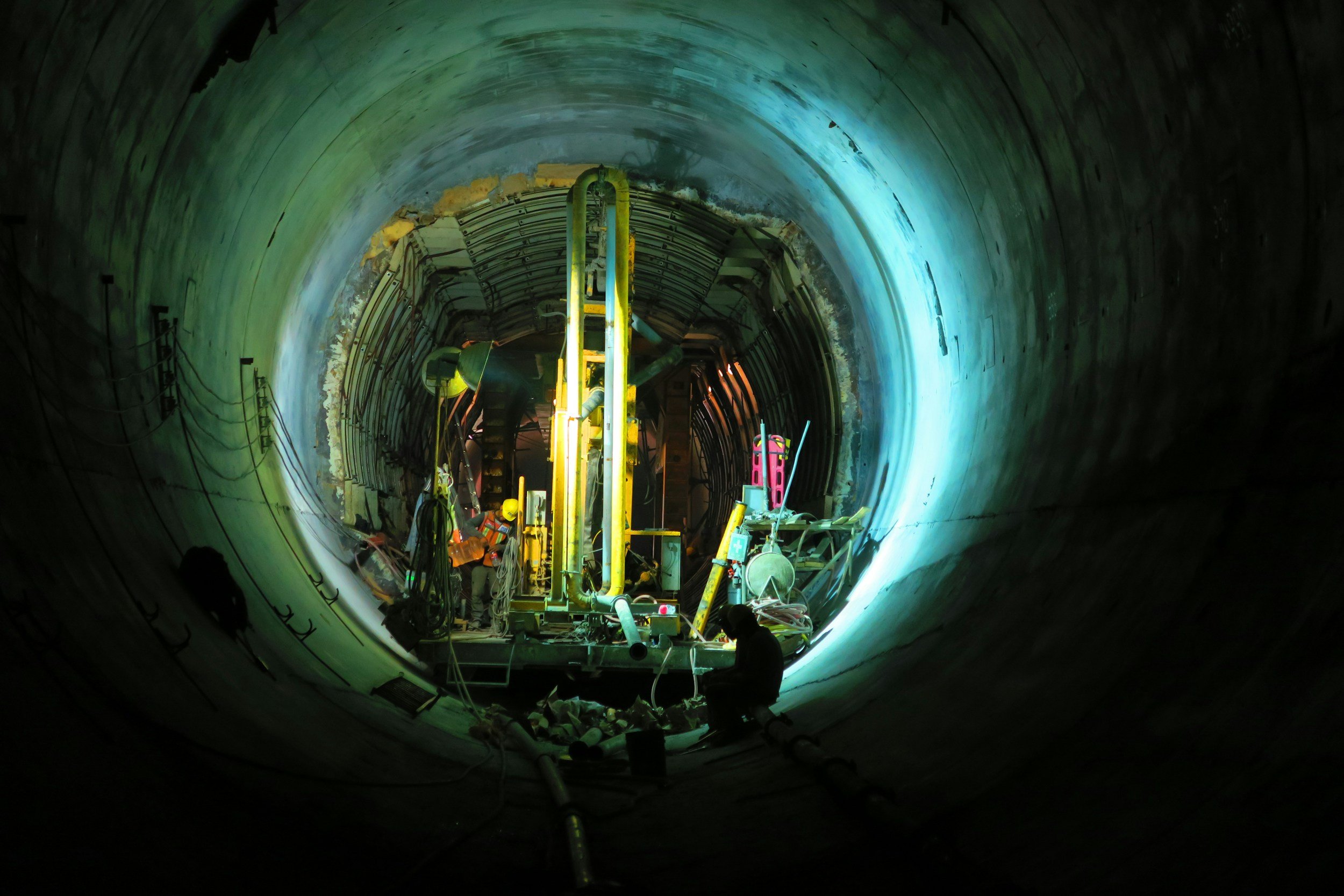
Heat stress can be extremely dangerous on the jobsite. Outside of the direct consequences such as heat stroke, heat stress can cause incidents due to loss of focus or excessive fatigue on the job…..
Read More
Heat stress can be extremely dangerous on the jobsite. Outside of the direct consequences such as heat stroke, heat stress can cause incidents due to loss of focus or excessive fatigue on the job…..
Read MoreThe sun is essential to all life on Earth, however, too much exposure to the sun can be harmful to us. Excessive exposure to ultraviolet light, also called UV rays, emitted from the sun can many skin conditions as well as skin cancer.
Read MoreThe hazards associated with electricity affect the majority of workplaces. Whether you are in general industry, construction, or even farming- electrical hazards are present. It is important to be able to recognize the electrical hazards around you and know how to mitigate them.
Read MoreEver feel that the motoring public is out to get you? Speeding through your work area and if you don't hop out of the way quickly enough, they will run you down? It is probably because many drivers take the attitude that we should see them and keep out of their path. Just one of the hazards of flagging traffic.
Read MoreHydrogen sulfide, also known as H2S, is a gas found both in nature and also produced by many industrial processes. Hydrogen sulfide is a colorless, flammable, extremely hazardous gas with a “rotten egg” smell. There are many dangers if exposed to too much H2S gas in a short time (acute exposure) or a lesser amount over a long time (chronic exposure). Many workers have been overcome and killed in environments that have had a large amount of H2S gas present. It is important to be familiar with the characteristics of hydrogen sulfide and the effects it can have on your health.
Read MoreThere are many arguments both for and against having the goal of experiencing no injuries over a year’s time or indefinitely on the job. At the management level and the field level, many employees feel that experiencing zero injuries over a long time is incredibly unrealistic.
Read MoreUnderground utility strikes are a dangerous and costly event. Almost all line strikes are expensive and many of incidents that damage gas or electric lines can be extremely dangerous for everyone in the area. It is vital to understand the frequency at which line strikes occur and the best practices to assist in preventing line strikes.
Read MoreThere are many times when quick reactions put people in the line of fire where they can be hurt. A person sees a situation occurring and in an instant, their mind tells their body how to react. At work, an impulsive decision to jump in and try to help in a situation going wrong may be the last decision a person makes. It is important to consider what our first reaction may be to certain situations and attempt to fight the urge to react impulsively without thought.
Read MoreIf you are required to repair or maintain any machinery or equipment, or any electrical power source, start the job by locking out and tagging out all energy sources and starting mechanisms. Locking or tagging out is the only sure way to prevent other employees from accidentally activating the system.
Read MoreOur hearing is precious to us. Once we diminish or lose our hearing we can never fully recover it. Both on the job and at home there are many sources of noise that can damage our hearing. These sounds can damage sensitive structures in the inner ear and cause noise-induced hearing loss (NIHL). Approximately 26 million Americans have some type of noise-induced hearing loss.
Read MoreNo one has all of the answers. If you do, you are under-utilized and underpaid. For the rest of us, there are always going to be times when we need help from someone else. It is important to feel comfortable asking for help when you need it or mentoring others when they need assistance.
Read MoreToday more than ever, demands at work are at an all-time high. Productivity is recognized and rewarded in the workplace. Working fast however does not always equal working productively and efficiently. When we go to do a work task it is especially important to plan out the time and resources it might take beforehand.
Poor planning and inefficiency in the work process creates many problems and affects our ability to work safely and productively.
Read MoreVison loss and severe eye injuries occur all too often in today’s workplaces. According to the Centers for Disease Control and Prevention (CDC), each day, about 2,000 U.S workers sustain a job-related eye injury that requires medical treatment. Due to the severity and frequency of these injuries, there is no room for shortcuts or excuses when it comes to protecting your eyes on the job.
Read More1. Always wear your seatbelt when in a vehicle or heavy equipment. Seatbelts are critical to preventing serious injuries and death while driving or operating. Motor vehicle crashes are still the number one cause of fatalities on the job in the United States……..
Read MoreWhen we see someone struggling with a task the first thing we naturally want to do is jump in and help.
Most times, this is perfectly fine and there is no issue that comes of jumping in to help. There are times however, when it is better to let someone else intervene or to not intervene at all…
Read MoreDiesel engines are used frequently on construction sites, mines, and other types of work sites. Diesel engines power everything from water pumps to heavy equipment that allows for day-to-day activities to be completed efficiently
Read MoreBurn injuries are common both at home and in the workplace. The American Burn Association states that there are over 40,000 hospitalizations each year due to burns. There are a few different types of burn injuries.
Read MoreThere are many different hazards to consider if work is going to take place in muddy conditions….
Read MoreLadders are an essential tool on many job sites and at home across the United States. Because of their widespread use and the inherent danger of working at heights, they are responsible for a significant number of injuries both on and off the job. Understanding the hazards of using a ladder, following the necessary safe work practices, and avoiding complacency can be a lifesaver.
Read MoreThere is an endless amount of acronyms when talking about safety. The acronym S.O.R.T. is a tool that can help remind us to take steps to address hazards and create a safe work environment. S.O.R.T stands for Stop, Observe, Recognize, and Take Ownership.
Read More