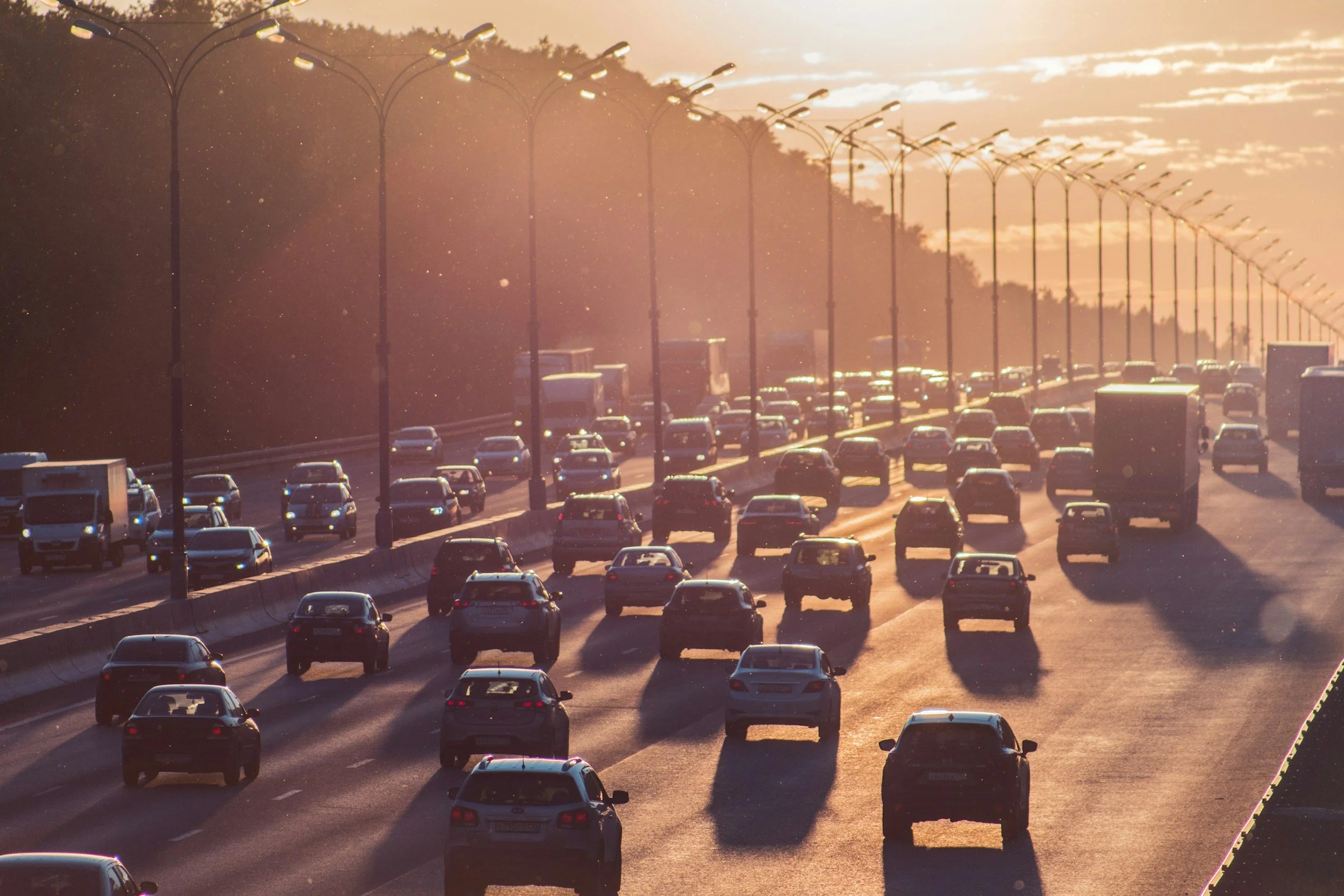
WORK ZONE AND TRAFFIC CONTROL PART 1
All requirements pertaining to the safety, employees in the above listed publications are included in this Safety Manual by reference. In this Safety Manual, it is not practical to prescribe detailed requirements for all situations that may arise; therefore, it is the responsibility of individual employees to determine applicability of the aforementioned publications to their own activities.
Read More
HOUSEKEEPING IN THE CONSTRUCTION INDUSTRY
Companies that hold general housekeeping of work areas to a high standard usually have a better safety culture than those companies that do not. Housekeeping is an important part of a robust safety program. Poor housekeeping promotes inefficiency as well as leads to injuries and property loss.
Read More
CLOTHING AND SAFETY
An important but often overlooked aspect of safety is what we decide to wear each day on the job….
Read More
ALLERGIES
Allergies are an issue that many people have to pay attention to every day both on and off the job. There are many sources of allergens that can cause an allergic reaction. Common allergens include pollen, dust mites, food, drugs, latex, animal dander, insect stings, and mold. A few of these allergens may be an issue while on the job. It is important to know what you are allergic to as well as communicating it to others in case of an exposure resulting in an emergency situation. In this safety talk, we will discuss two common allergens that could be the source of a severe allergic reaction on the job.
Read More
SLIP HAZARDS
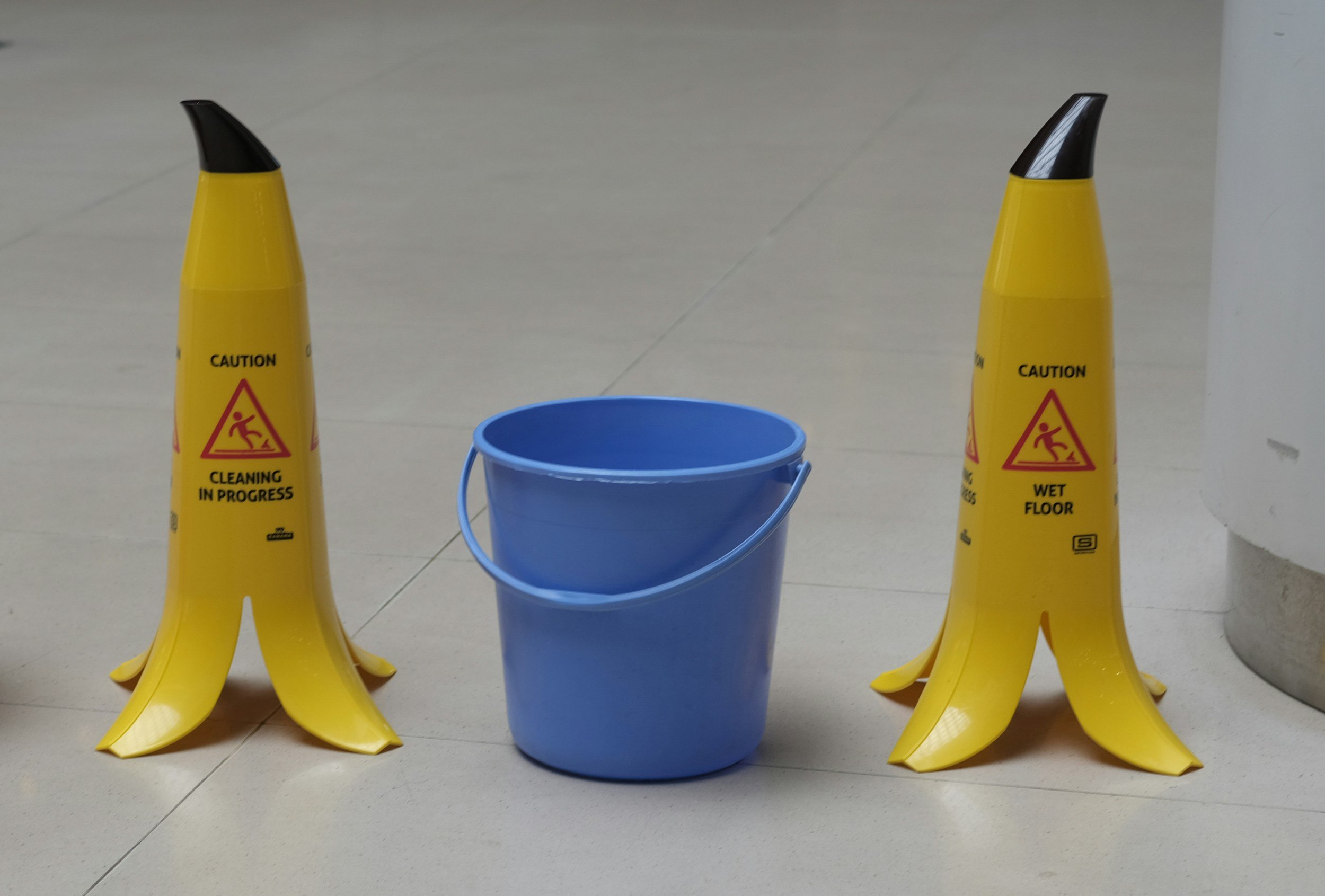
Slips, trips, and falls are one of the leading causes of injuries and fatalities in the workplace. According to OSHA, slip, trip, and fall incidents cause 15% of all accidental deaths and are second only to motor vehicle incidents as a cause of fatalities on the job. These types of incidents can result in life-changing injuries to the employees who suffer them. These incidents are also very costly for businesses. HUB reports that the average slip and fall injury costs $20,000.
Read More
DANGERS OF SILICA DUST
There has been much discussion about silica dust in the past few years. OSHA has issued a regulation to help protect workers from overexposure to this dust. It has been largely unregulated in the past, and because of this, many workers have been faced with overexposure to silica dust. The CDC reports that an estimated 1.7 million U.S. workers are exposed to silica dust on the job.
Read More
ACCIDENTS OR FIRE HAZARDS
Fire Hazards
If a fire breaks out in a LMK facility and it cannot be immediately and completely extinguished, you should follow the Emergency Reporting Procedures listed below.
Read More
COLLECTION SAFETY SYSTEM PART 3 (PERSONAL SAFETY EQUIPMENT)
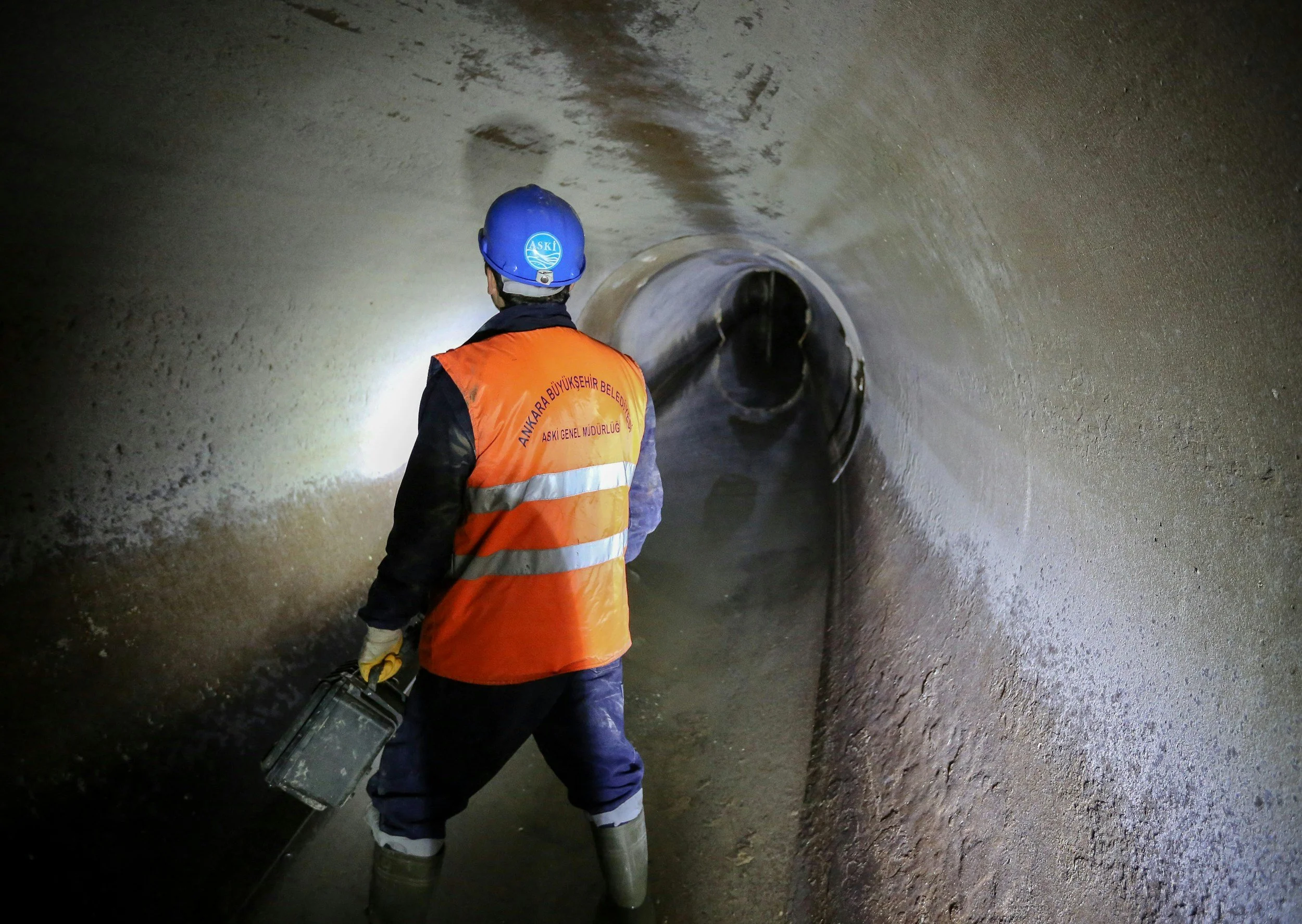
The following is a list of the safety equipment that should be worn and/or used by all employees working in sewer manholes at all times, unless stated otherwise.
Read More
COLLECTION SAFETY SYSTEM PART 2 ( GENERAL SAFETY PRECAUTIONS)
The following are the proper procedures and general safety precautions that will be followed
before entering a manhole for the purpose of taking flow measurements, performing inspections
or making sewer repairs:
Read More
COLLECTION SAFETY SYSTEM PART 1 (SAFETY MEASURES)
The construction of sewers should be in accordance with standard design, with special attention
to self-cleaning velocities, good alignment, proper spacing of manholes, and adequate provision
for ventilation. These design standards when followed, will provide for a safer work
environment. However, there are several other points of safety that are of major importance.
Read More
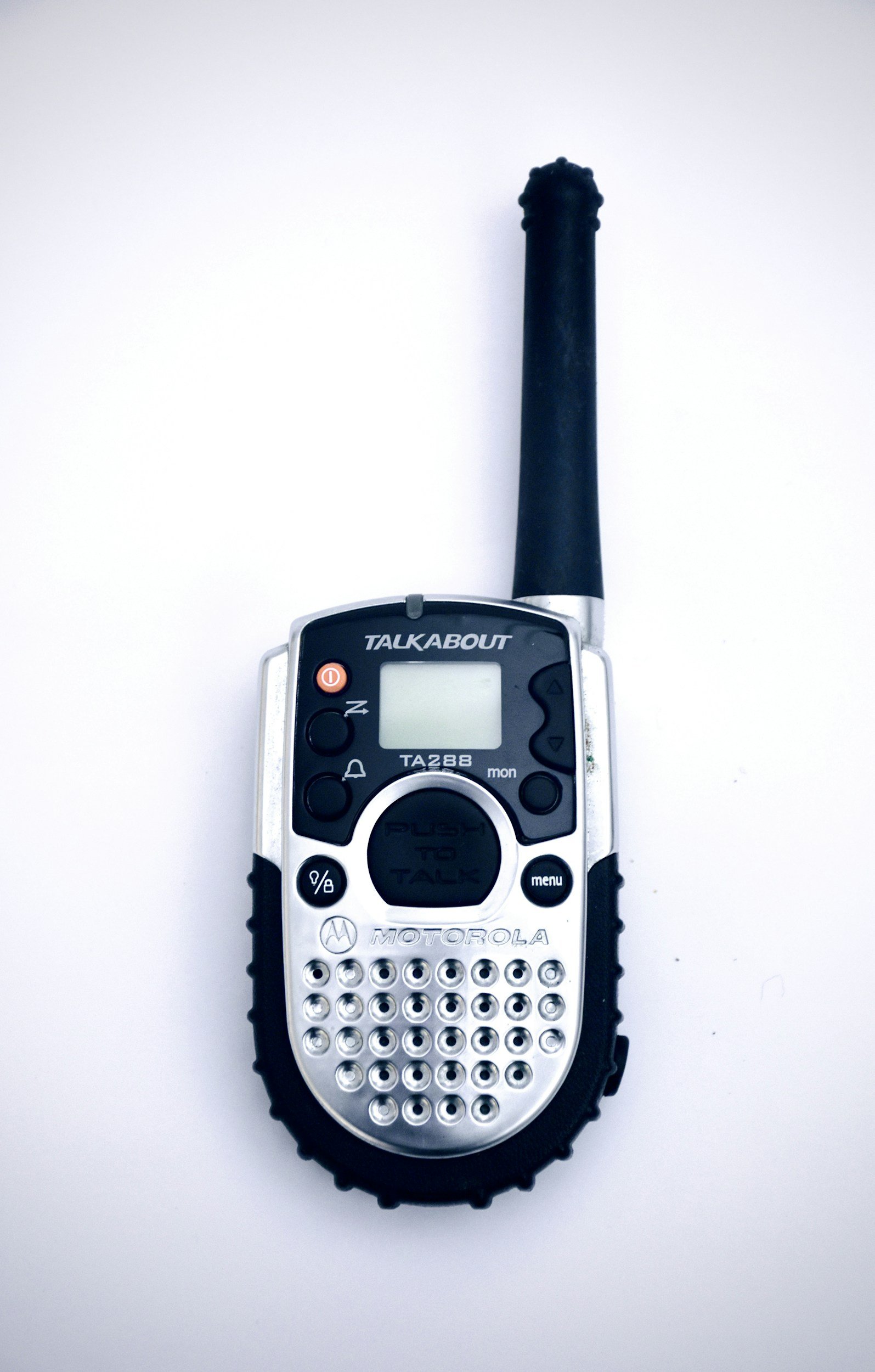
THREE-WAY COMMUNICATION
Three-way communication can be critical in verifying a message is understood during a work task which can make all the difference in whether a worker is injured or not….
Read More
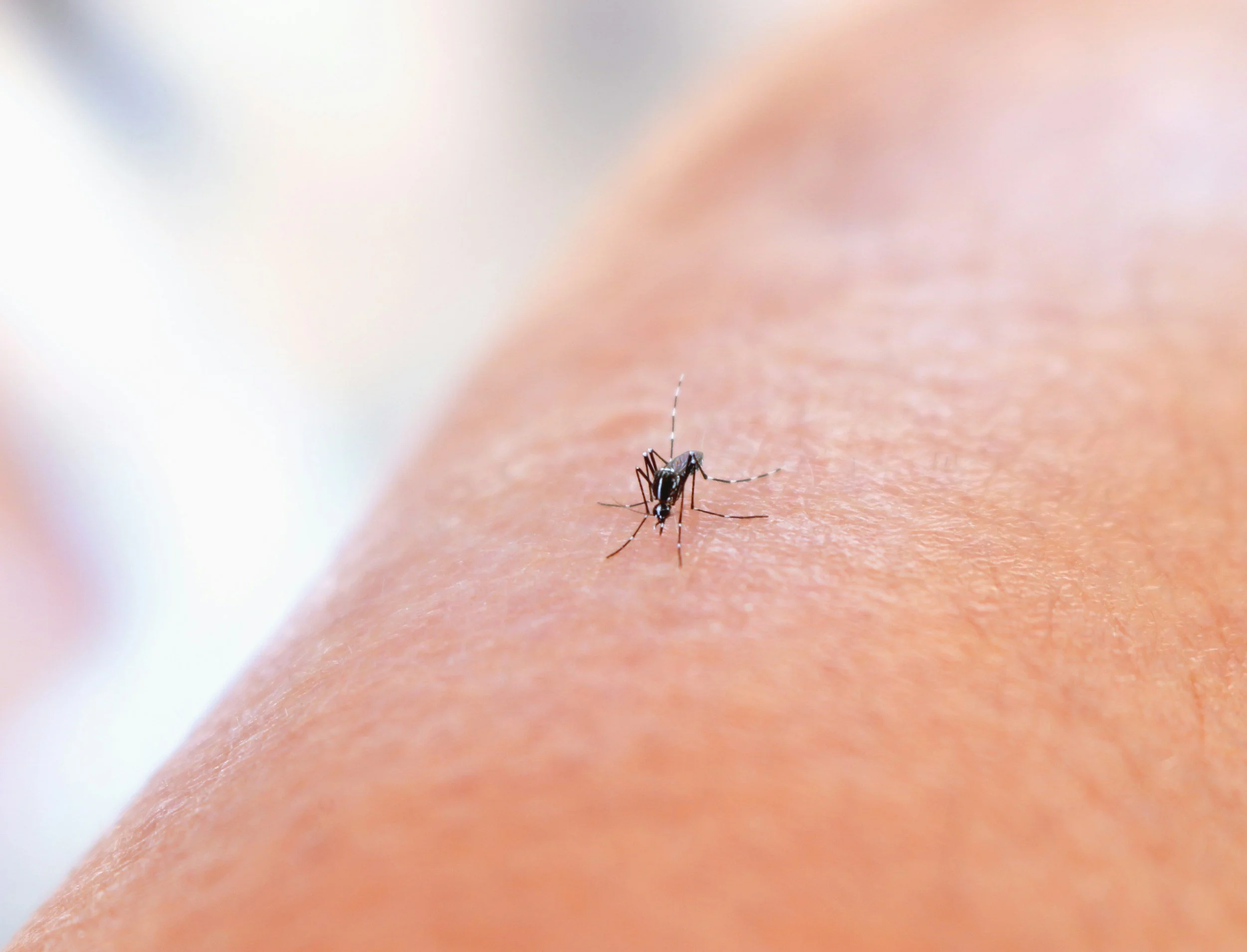
MOSQUITOS AND WES NILE VIRUS
Mosquitos are responsible for more human deaths every single year than any other insect or animal. According to Bill Gate’s website gatenotes.com, mosquitos are responsible for over 725,000 deaths a year. That number of deaths is more than the deaths caused by humans, dogs, snakes, roundworms, tapeworms, crocodiles, hippos, elephants, lions, wolves, and sharks combined on an annual basis.
Read More
VEHICLE INSPECTIONS
While many accidents are caused by distracted driving and driving under the influence, mechanical issues also lead to accidents.
Vehicle inspections and preventative maintenance are effective ways to prevent mechanical issue-related crashes….
Read More
PINCH POINTS AND HAND INJURIES
We use our hands for virtually all work tasks that we do. Because of how often we use our hands, they are put in the line of fire where they can be injured. Hand injuries are the second leading type of injury on the job in the United States.
Read More
Ladder Safety
Ladders are an essential tool on many job sites and at home across the United States. Because of their widespread use and the inherent danger of working at heights, they are responsible for a significant number of injuries both on and off the job. Understanding the hazards of using a ladder, following the necessary safe work practices, and avoiding complacency can be a lifesaver.
Read More
SELF CONTAINED BREATHING APPARATUS (SCBA’S)
inspected on a regular basis, and are sanitized before and after use. The SCBA training video
will be viewed twice a year by all personnel.
Read More
Respiratory Protection Policy (Respirator Inspection - Respirator Certification )
The concentration of the hazard will be monitored before respirator selection and periodically
thereafter to ensure that the correct respirators are being utilized.
Read More
Employee Responsibility - Respirator Fit
Employees will use respirators provided in accordance with training received.
Employees must report any malfunction of a respirator to their supervisor immediately, and that
respirator will be taken out of service to be repaired or replaced.
Read More