HEALTH AND SAFETY RULES
Health and safety is of primary importance when working in the field. LMK Pipe Renewal
desires that each employee be thoroughly aware of the following preventative measures: Field
workers have an exposure to polluted water and refuse by virtue of the very nature of their work
during the installation of the liners.
Read More
SAFETY TRAINING
The LMK Pipe Renewal safety Committee will provide safety training of the following types.
All employees, as specified are required to receive such safety instructions.
Read More
EMERGENCY ACTION PLAN
LMK Pipe Renewal has made the decision that personal safety takes precedent over company
property in all emergencies. No extreme action should be taken that Threatens personal safety.
Dial 911 in the event of an emergency.
Read More
REPORTING ACCIDENTS
All accidents involving injury or exposure to toxic chemicals must be reported to the Laboratory
Supervisor and the Lab Health and Safety Officer immediately. If an injury results from an
accident, an accident report form must be filled out by the personnel directly involved.
Read More
HURRICANE PREPAREDNESS-RESPONSE PLAN
It is company policy to stop or delay construction activities, 24 to 48 hours prior to landfall
depending on the project’s geographical distance from our closest shop/yard. The only
exception would be for any activity related to prepping or securing the job site for the coming
storm.
Read More
VERIFYING SAFEGUARDS
No matter if you or someone else is responsible for implementing a safeguard, safeguards should be verified that they are in place prior to beginning work….
Read More
KNOW YOUR LIMITS
We often face new situations or challenging times whether that is at home, at work, or just in life overall. For many of us, it can be hard to swallow our pride and seek out help from others when we need assistance. That being said, it is important to understand your limits and know when you need help from someone else.
Read More
DRUNK DRIVING
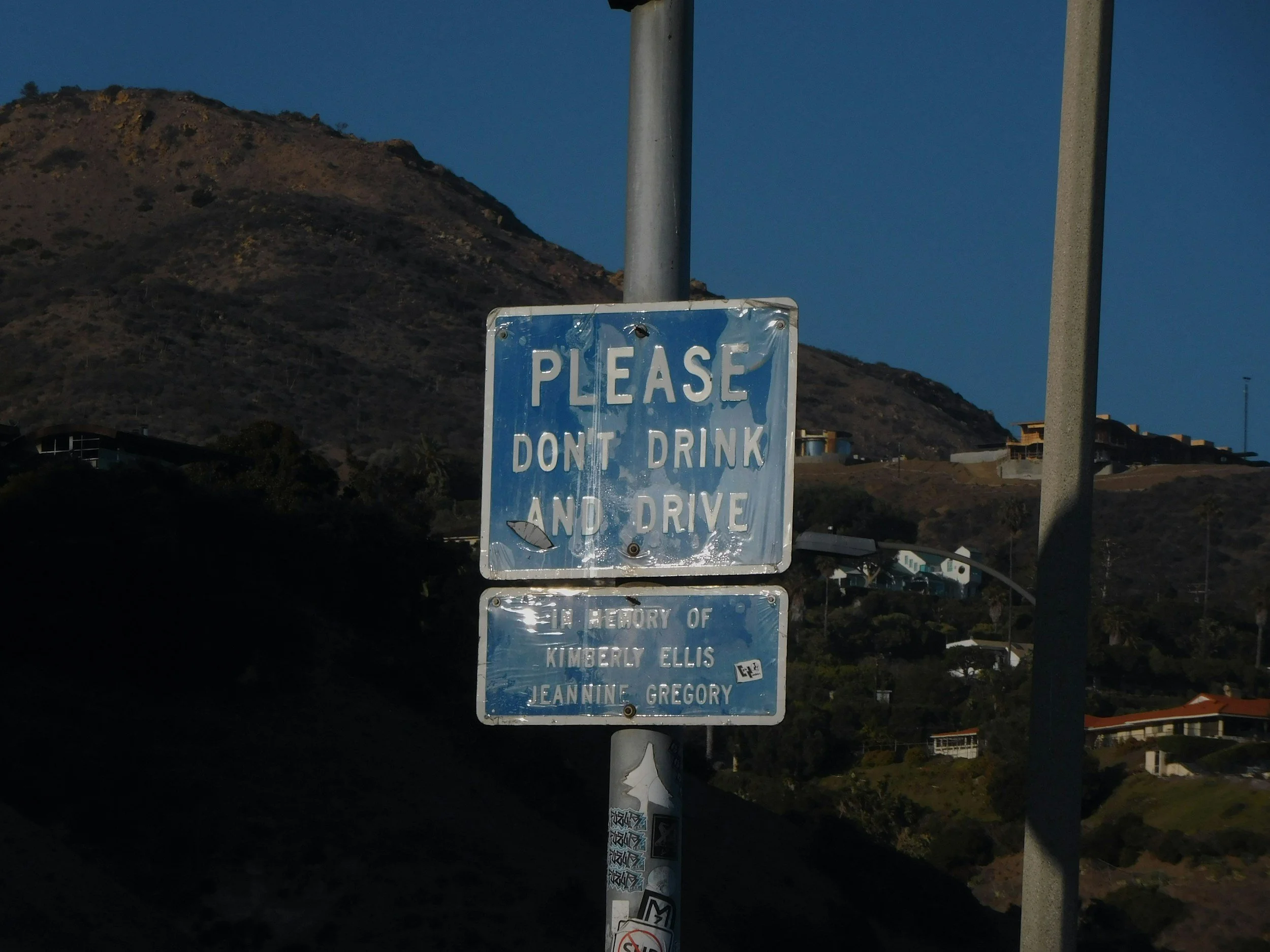
People drive drunk an average of over 300,000 times a day in the United States, but fewer than 4,000 are arrested for it, according to the FBI. The decision to drive impaired is a deadly one.
Read More
HABITS AND SAFETY
We all have habits that we follow on a daily or weekly basis. These habits have a major effect on our life. They also affect the choices we make at work…..
Read More
CHEMICAL HANDLING AND REAGENT PREPARATION
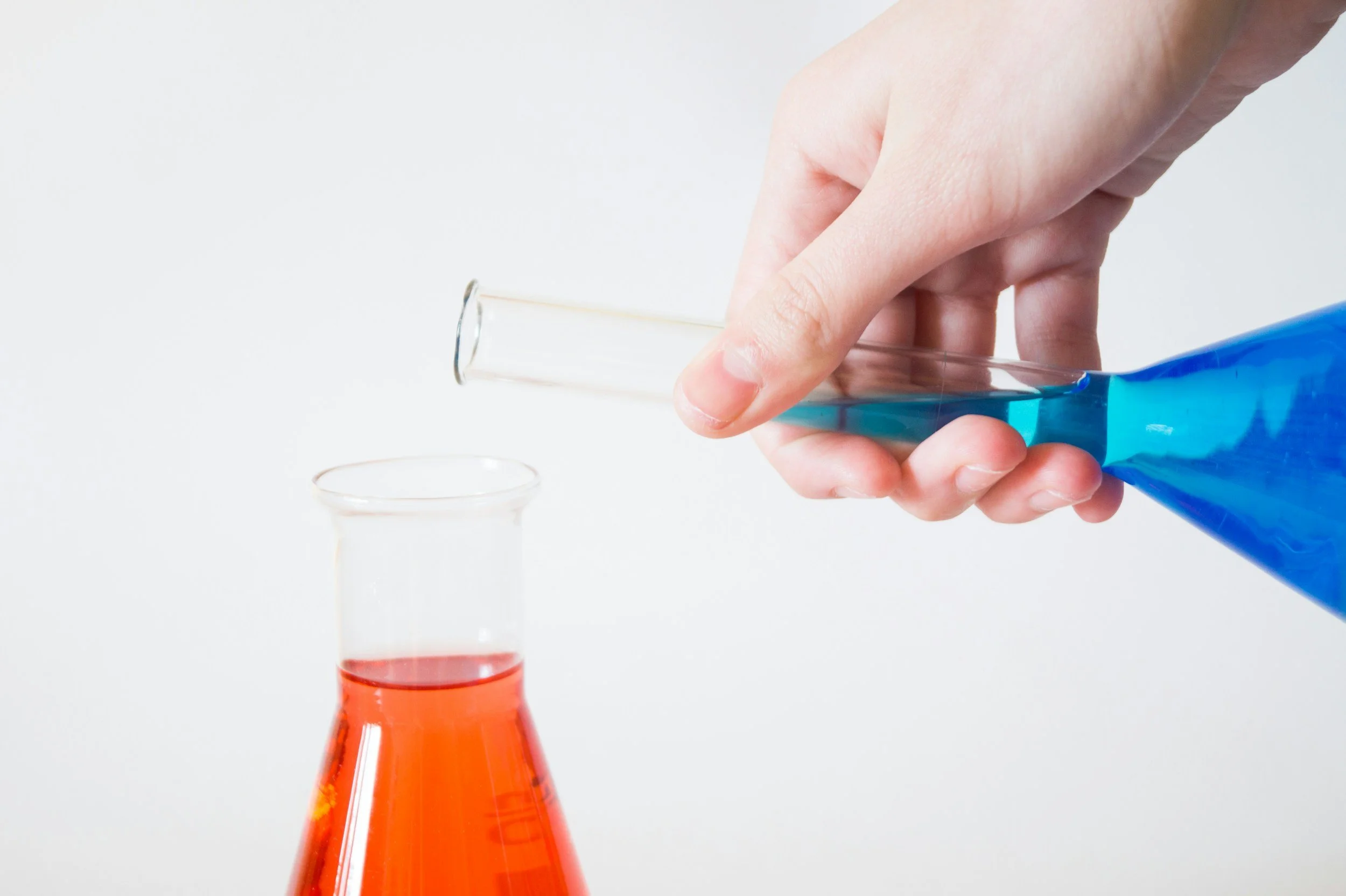
Transport and handle bulk chemicals and concentrated reagents with extreme care. Always use
two hands when carrying bottles of acid or large sizes of stock chemicals. Plastic carrying
containers are available for transporting large bottles, which are not safety coated.
Read More
EQUIPMENT MAINTENANCE
Equipment should be inspected prior to use.
Keep equipment maintained. All major equipment is serviced regularly. Smaller appliances
should be checked as necessary.
Read More
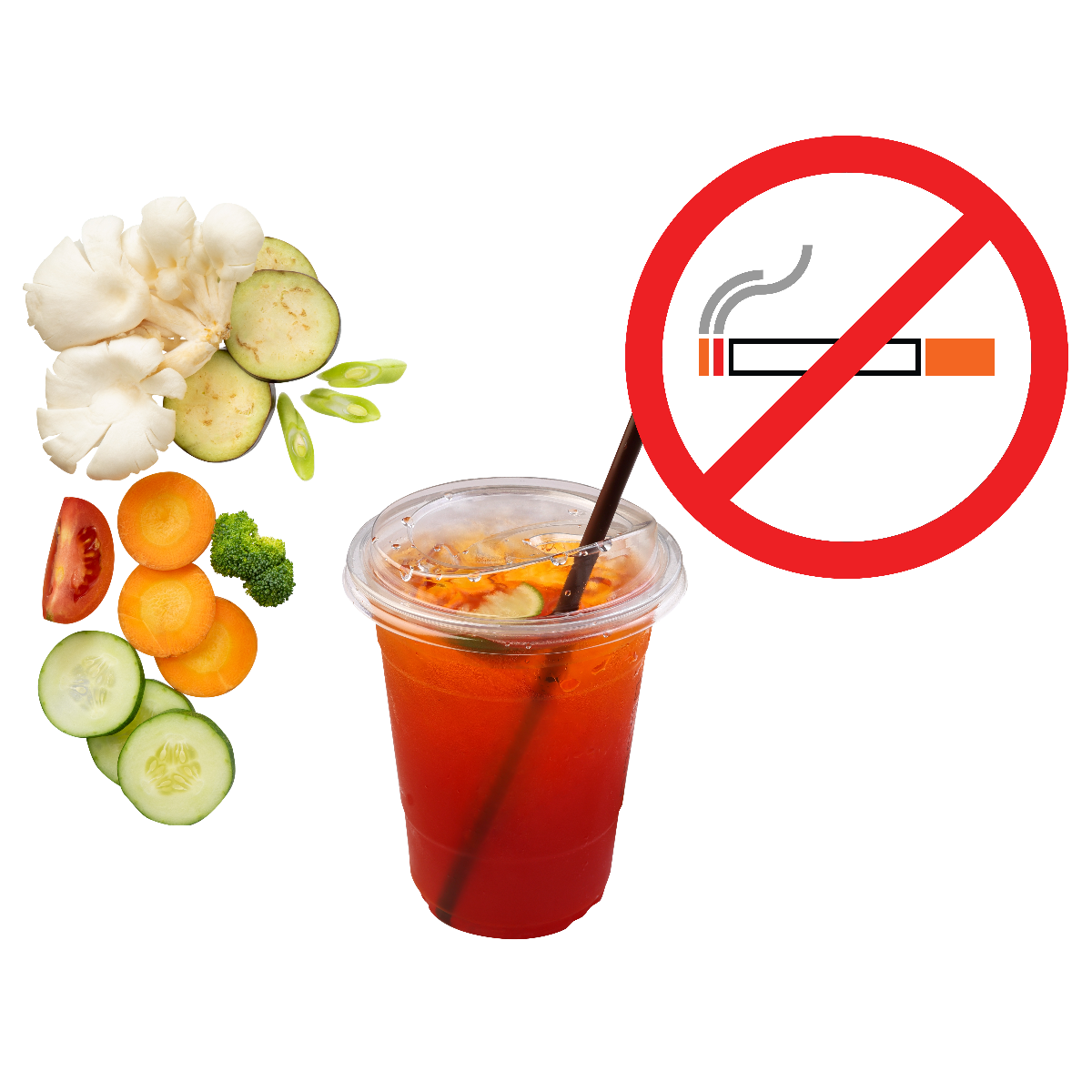
FOOD, BEVERAGES, AND SMOKING
Smoking is not permitted.
The consumption of food is not permitted in wetout area.
Beverages are allowed but may only be kept and consumed at "dry" personal desks or computer
stations. Drinking in any work isle or at "wet" benches is strictly prohibited. Beverages are
prohibited in the microbiology laboratory, dishwasher room, chemical storage area and near
fume hoods. Consumption of drinks is discouraged while an analyst is actively performing tests.
Read More
STANDARD OPERATING PROCEDURES: GENERAL SAFETY RULES
Know the safety rules and procedures that apply to the work that is being done. Determine the
potential hazards (e.g., physical, chemical, biological) and appropriate safety precautions before
beginning any new procedure.
Read More
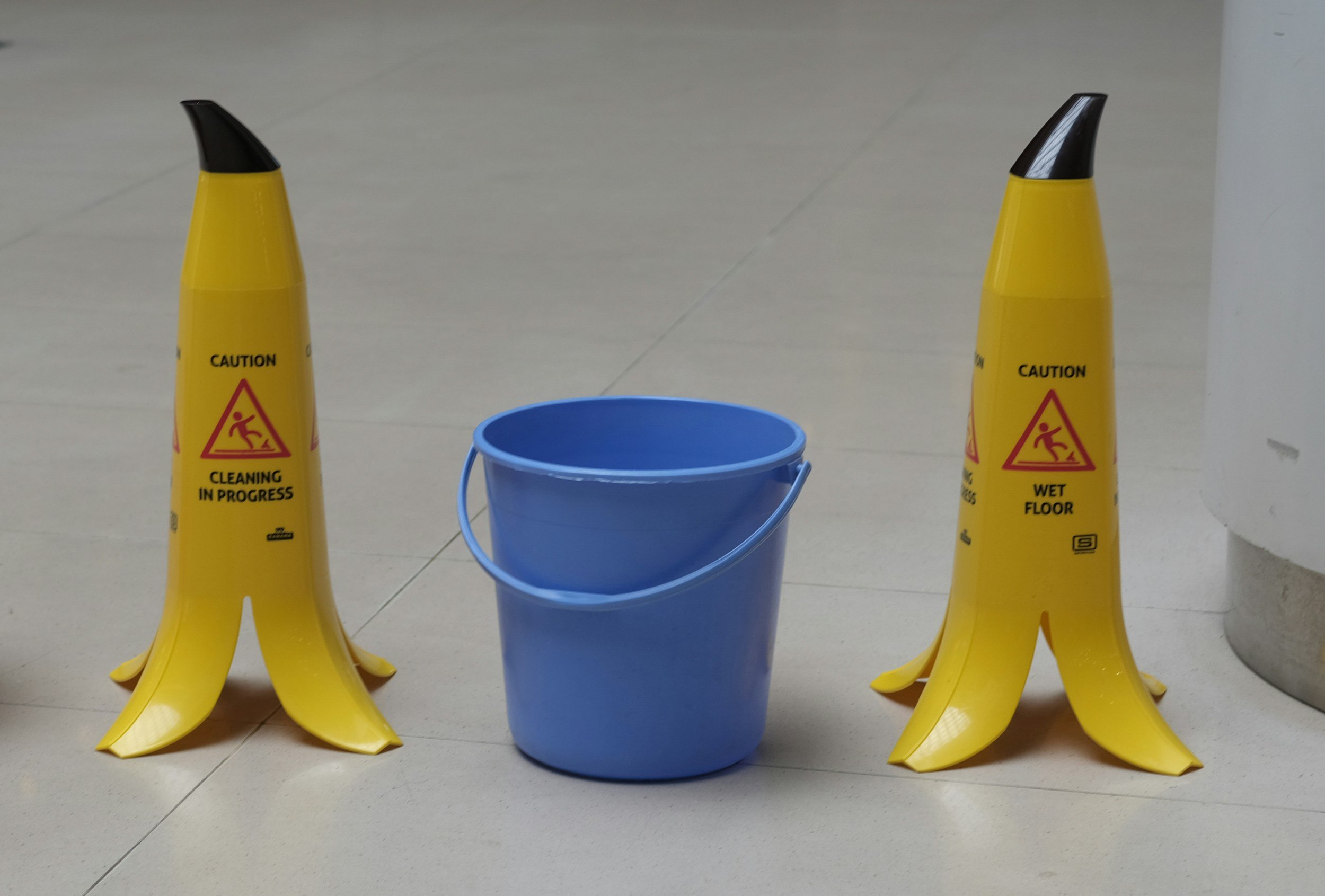
SLIP HAZARDS
Slips, trips, and falls are one of the leading causes of injuries and fatalities in the workplace. According to OSHA, slip, trip, and fall incidents cause 15% of all accidental deaths and are second only to motor vehicle incidents as a cause of fatalities on the job. These types of incidents can result in life-changing injuries to the employees who suffer them. These incidents are also very costly for businesses. HUB reports that the average slip and fall injury costs $20,000.
Read More
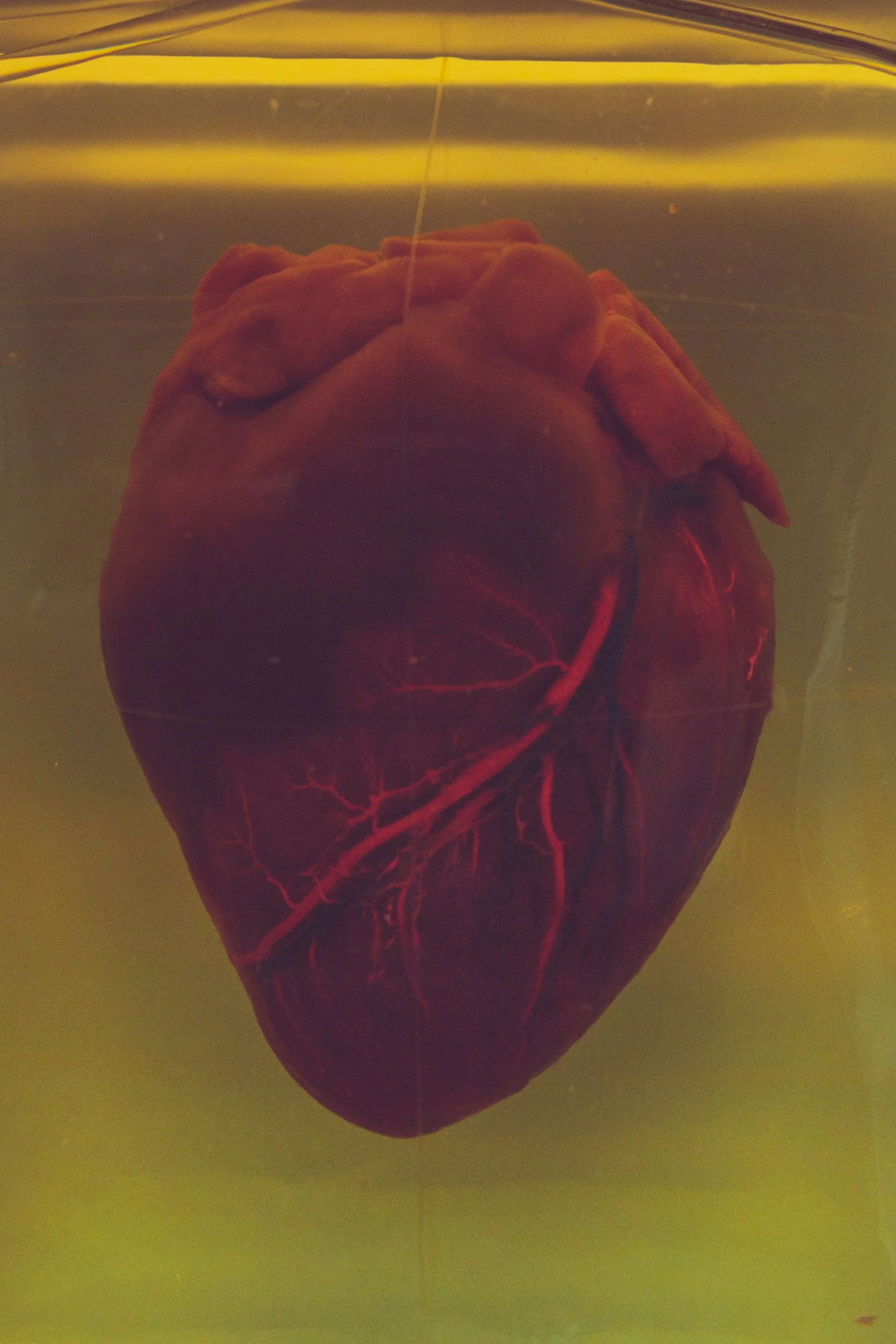
HEART ATTACK SAFETY
Every single year there are 735,000 Americans who suffer heart attacks according to the CDC. Out of that number, 525,000 of them are first-time heart attack victims. Heart disease and heart attacks are an unfortunate reality in our country.
Read More
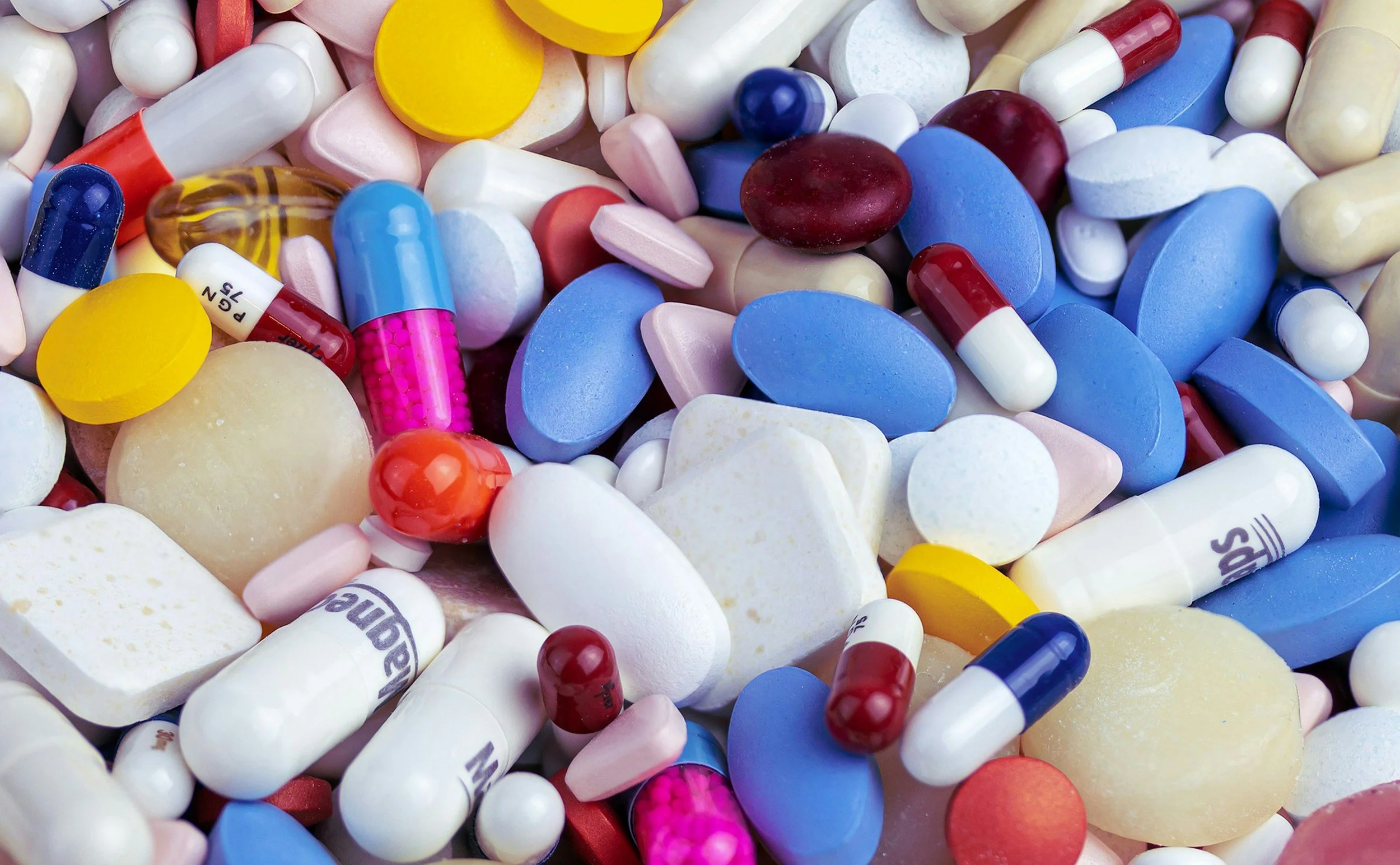
Costs of Drugs on the Job
Individuals who come to work under the influence of drugs and alcohol are a big concern for many employers across the world. In the United States, it is estimated over 60% of employers conduct pre-employment drug screen. The cost of these tests are anywhere from $20 to $60 a piece. Since employers are willing to spend this amount of money on screening employees many find that the benefits outweigh the costs.
Read More
CLOTHING AND SAFETY
An important but often overlooked aspect of safety is what we decide to wear each day on the job….
Read More
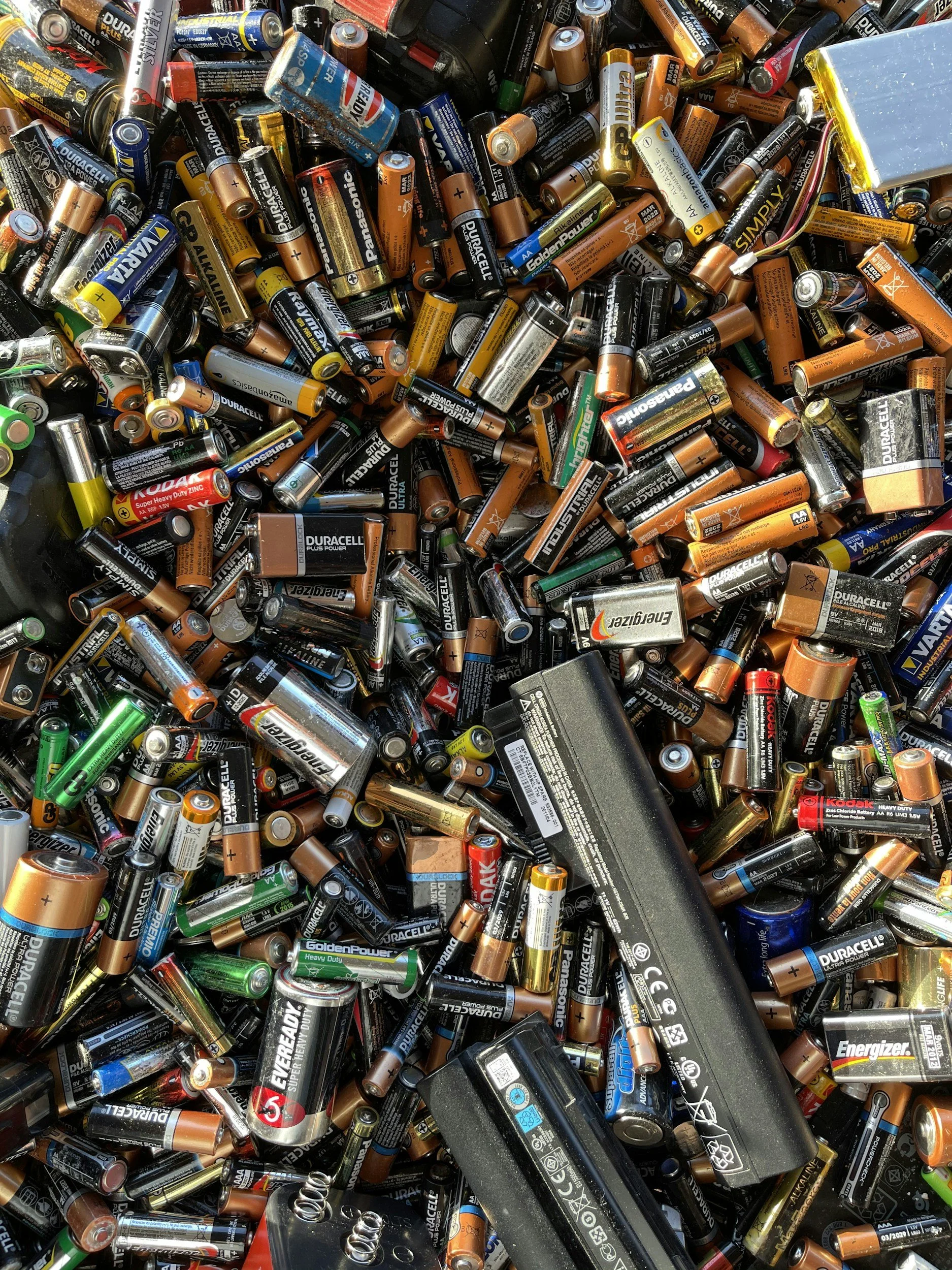
BATTERY HANDLING
We use batteries to power our cars, trucks, tractors, forklifts, construction equipment, and power tools. There are different types of batteries. For example, a lead-acid battery usually uses sulfuric acid to create the intended reaction. Zinc-air batteries rely on oxidizing zinc with oxygen for the reaction. Potassium hydroxide is the electrolyte in common household alkaline batteries. The most common electrolyte in lithium batteries is a lithium salt solution.
Read More
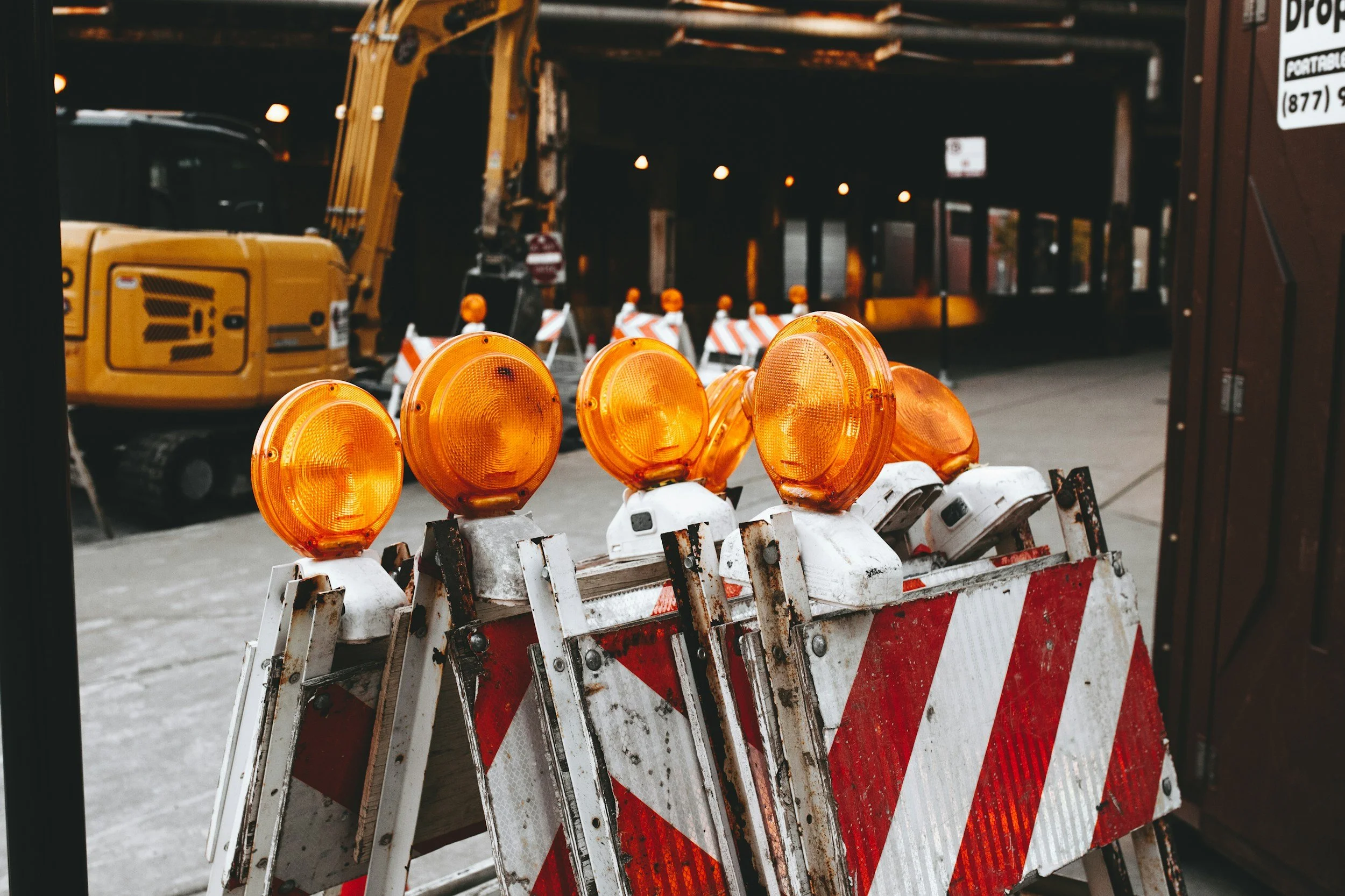
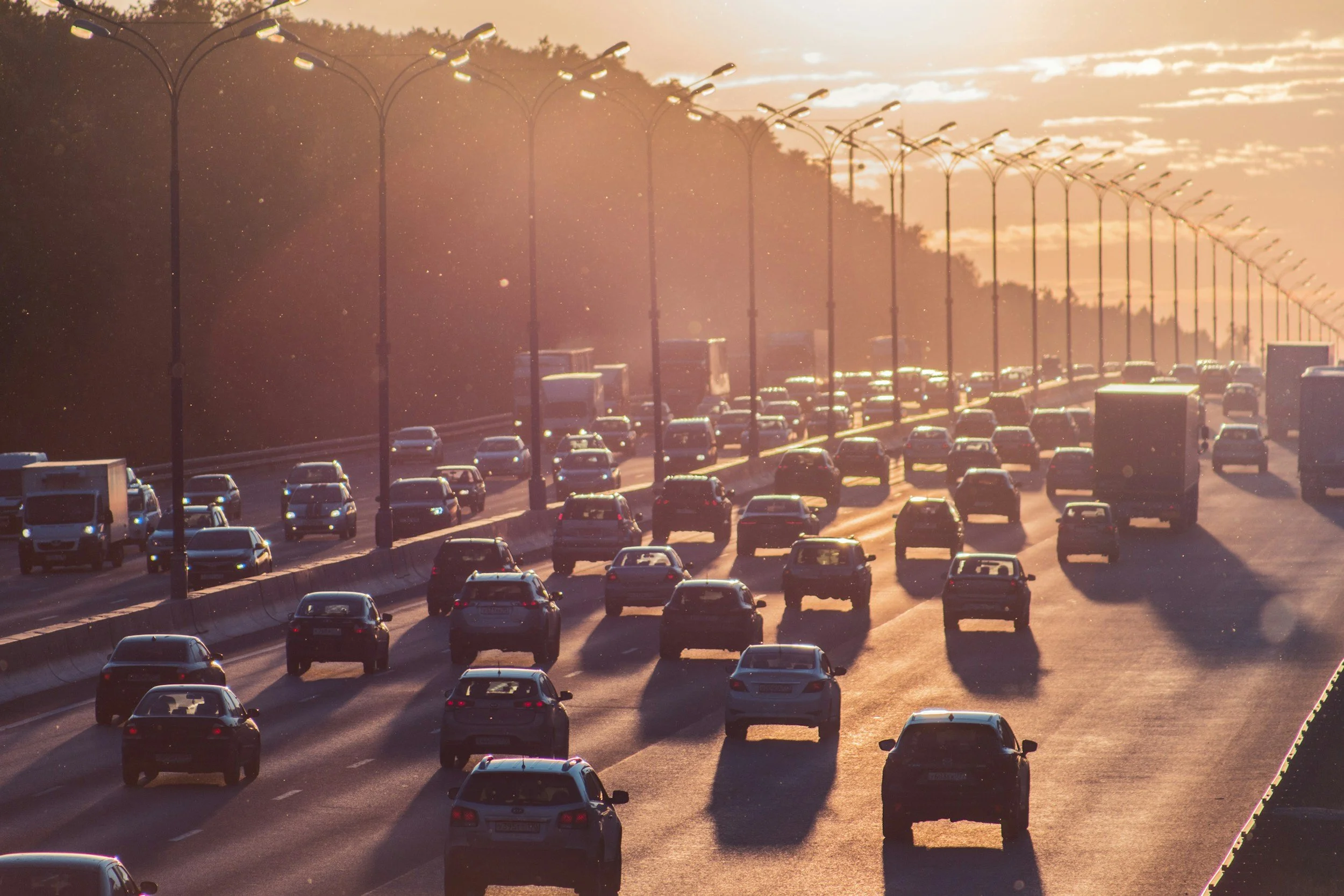
WORK ZONE TRAFFIC CONTROL PART 6
To stop traffic
Stand in a safe position on the shoulder. Face traffic and extend the paddle in a vertical position
so the full STOP face can be seen by approaching drivers. Night flagging may include the use of
a red lantern or light. To stop traffic the light should be waved back and forth across the path of
an approaching vehicle
Read More