SLIP HAZARDS
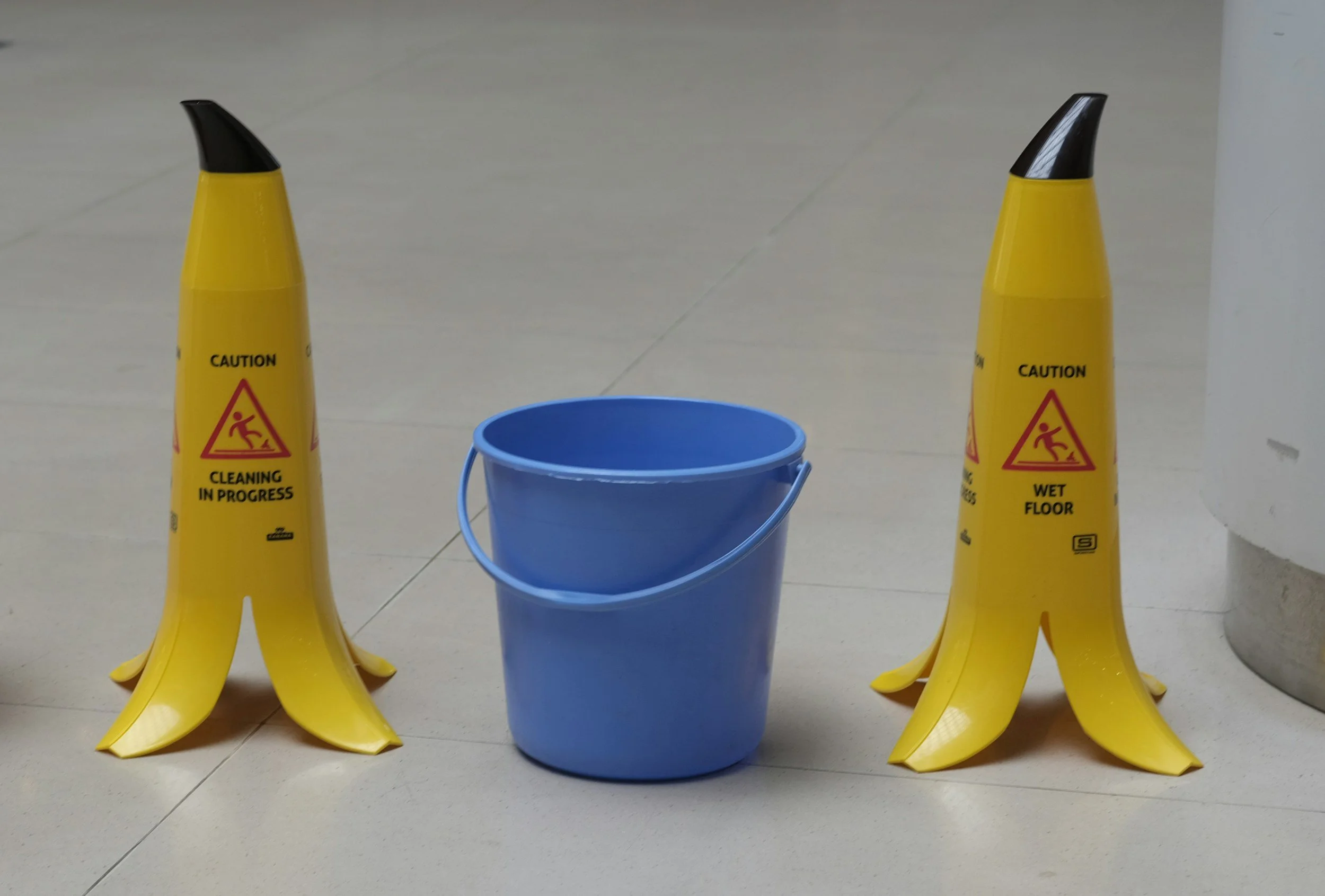
Slips, trips, and falls are one of the leading causes of injuries and fatalities in the workplace. According to OSHA, slip, trip, and fall incidents cause 15% of all accidental deaths and are second only to motor vehicle incidents as a cause of fatalities on the job. These types of incidents can result in life-changing injuries to the employees who suffer them. These incidents are also very costly for businesses. HUB reports that the average slip and fall injury costs $20,000.
Read More
HEALTH AND SAFETY RULES
Health and safety is of primary importance when working in the field. LMK Pipe Renewal
desires that each employee be thoroughly aware of the following preventative measures: Field
workers have an exposure to polluted water and refuse by virtue of the very nature of their work
during the installation of the liners.
Read More
SAFETY TRAINING
The LMK Pipe Renewal safety Committee will provide safety training of the following types.
All employees, as specified are required to receive such safety instructions.
Read More
EMERGENCY ACTION PLAN
LMK Pipe Renewal has made the decision that personal safety takes precedent over company
property in all emergencies. No extreme action should be taken that Threatens personal safety.
Dial 911 in the event of an emergency.
Read More
REPORTING ACCIDENTS
All accidents involving injury or exposure to toxic chemicals must be reported to the Laboratory
Supervisor and the Lab Health and Safety Officer immediately. If an injury results from an
accident, an accident report form must be filled out by the personnel directly involved.
Read More
HURRICANE PREPAREDNESS-RESPONSE PLAN
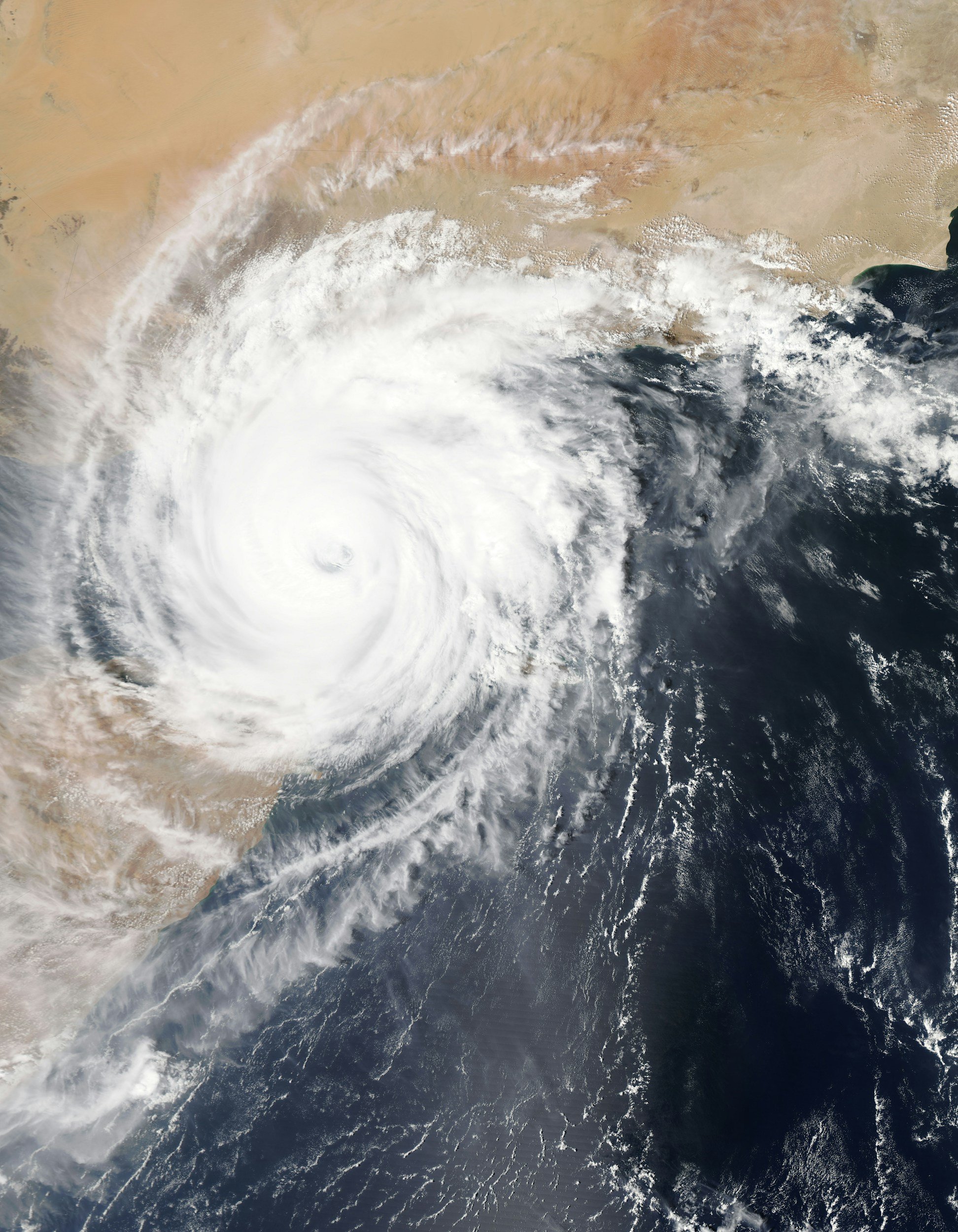
It is company policy to stop or delay construction activities, 24 to 48 hours prior to landfall
depending on the project’s geographical distance from our closest shop/yard. The only
exception would be for any activity related to prepping or securing the job site for the coming
storm.
Read More
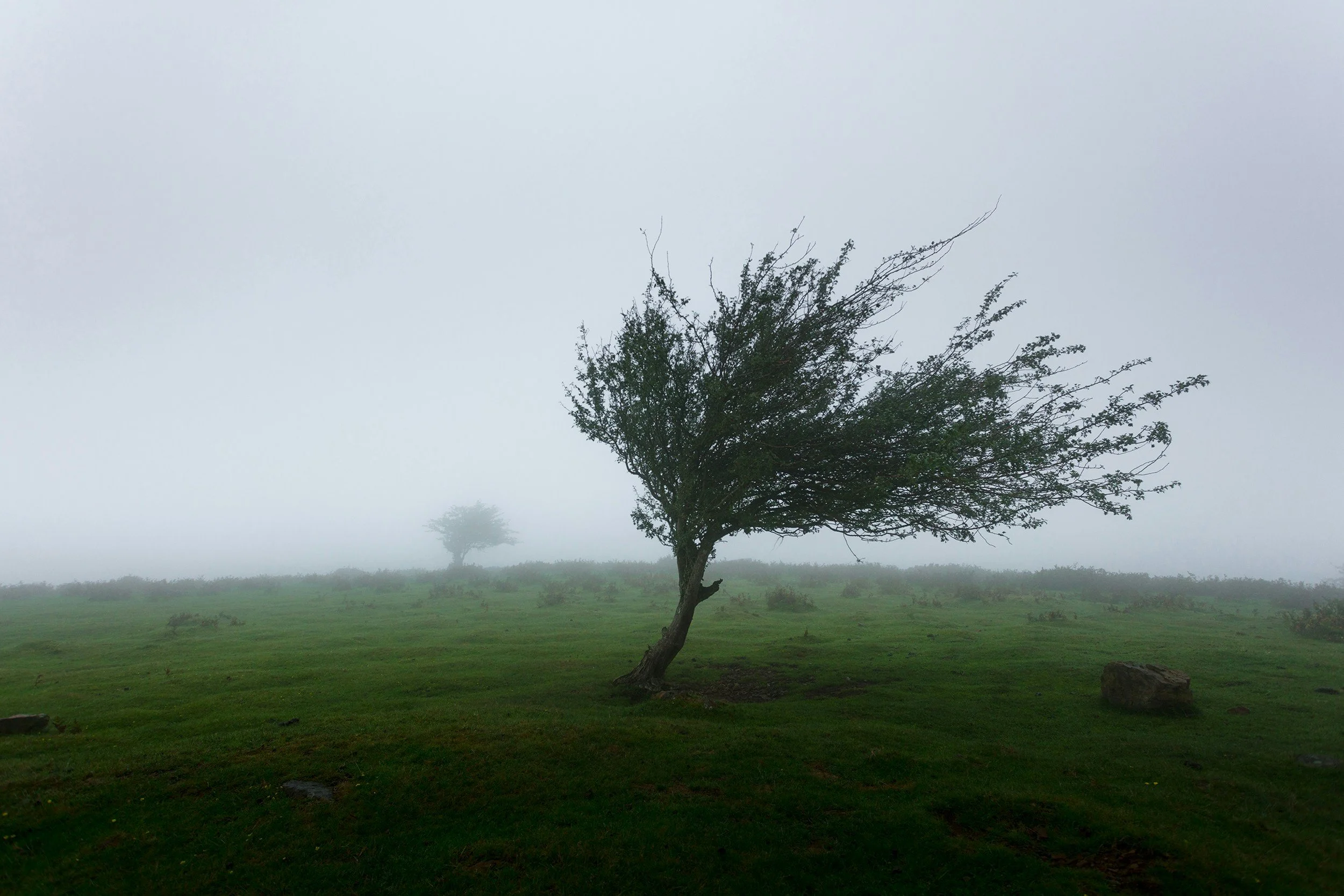
HIGH WIND DANGERS
Weather plays a huge role in our ability to work safely when working outdoors. While rain, snow, ice, and hot temperatures are often discussed, less focus is given to the hazards wind can create for workers. It is important to realize the different hazards high winds can pose and what can be done to work safely in these conditions.
Read More
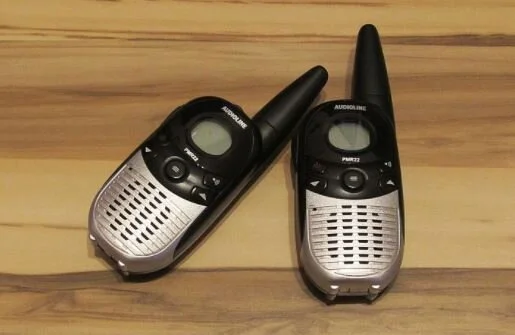
THREE-WAY COMMUNICATION
Three-way communication can be critical in verifying a message is understood during a work task which can make all the difference in whether a worker is injured or not….
Read More
VERIFYING SAFEGUARDS
No matter if you or someone else is responsible for implementing a safeguard, safeguards should be verified that they are in place prior to beginning work….
Read More
S.O.R.T Tool (Copy)
There is an endless amount of acronyms when talking about safety. The acronym S.O.R.T. is a tool that can help remind us to take steps to address hazards and create a safe work environment. S.O.R.T stands for Stop, Observe, Recognize, and Take Ownership.
Read More
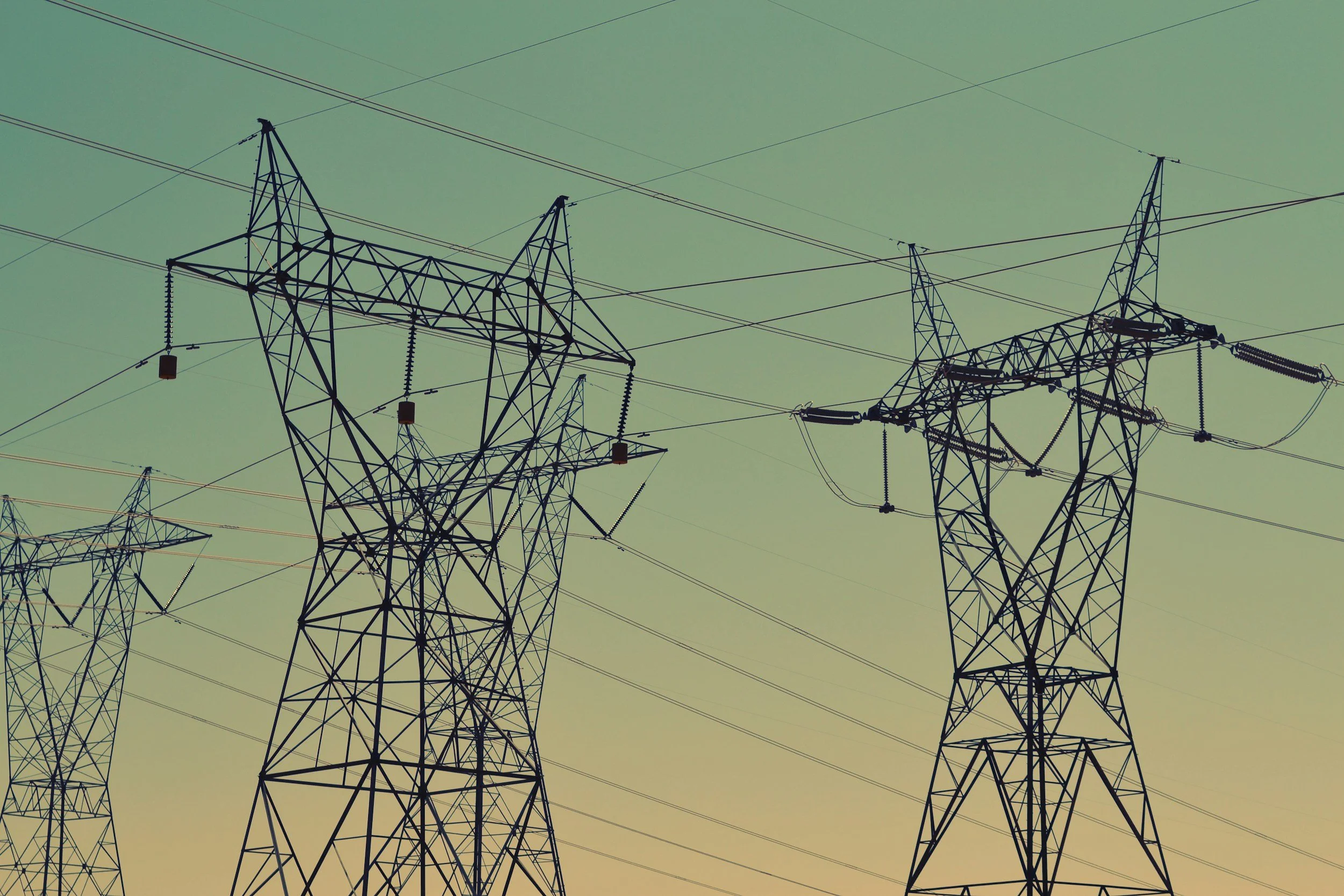
ELECTRICAL SAFETY
The hazards associated with electricity affect the majority of workplaces. Whether you are in general industry, construction, or even farming- electrical hazards are present. It is important to be able to recognize the electrical hazards around you and know how to mitigate them.
Read More
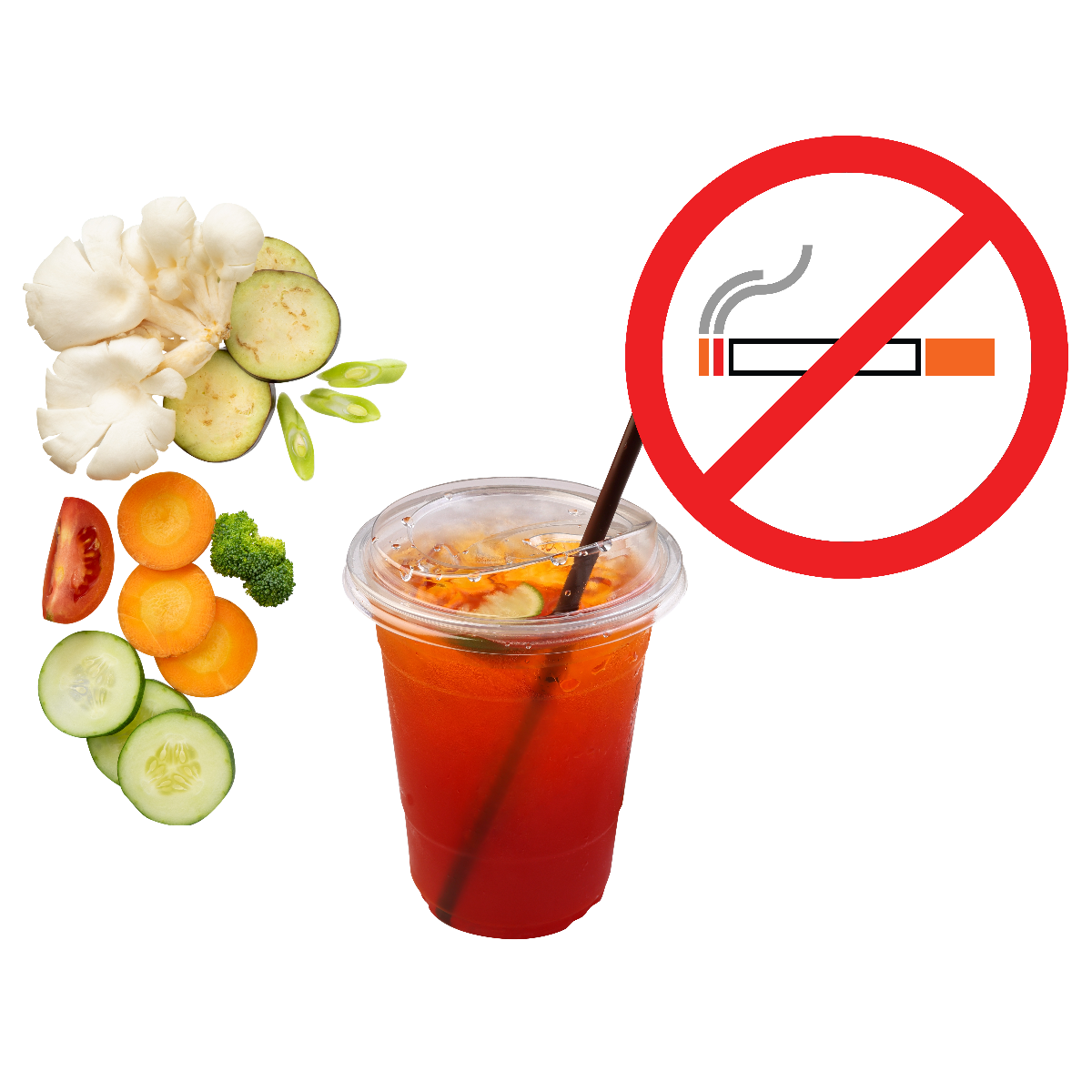
FOOD, BEVERAGES, AND SMOKING
Smoking is not permitted.
The consumption of food is not permitted in wetout area.
Beverages are allowed but may only be kept and consumed at "dry" personal desks or computer
stations. Drinking in any work isle or at "wet" benches is strictly prohibited. Beverages are
prohibited in the microbiology laboratory, dishwasher room, chemical storage area and near
fume hoods. Consumption of drinks is discouraged while an analyst is actively performing tests.
Read More
STANDARD OPERATING PROCEDURES: GENERAL SAFETY RULES
Know the safety rules and procedures that apply to the work that is being done. Determine the
potential hazards (e.g., physical, chemical, biological) and appropriate safety precautions before
beginning any new procedure.
Read More
THE IMPORTANCE OF SLEEP
The importance of adequate sleep cannot be overstated. Sleep has many effects on a variety of aspects of our health. The way you feel awake has a link to what kind of sleep you get at night. Poor sleeping habits can lead to an acute sudden incident, such as a car crash due to a tired driver, or chronic problems over the long term such as a number of health issues.
Read More
RELYING ON MEMORY
Memory should never be relied on as the sole safeguard against a hazard….
Read More
EXCAVATION SAFETY
According to the Bureau of Labor Statistics, from 2013-2017 there were 97 trenching fatalities in the construction industry – an average of 19 per year, from a low of 10 deaths in 2014 to a high of 33 in 2016 [BLS, 2019]. Excavations are a common sight on construction sites all across the United States. This work can come with numerous hazards, but excavation work can be made safe by following basic safety guidelines.
Read More
DRUNK DRIVING
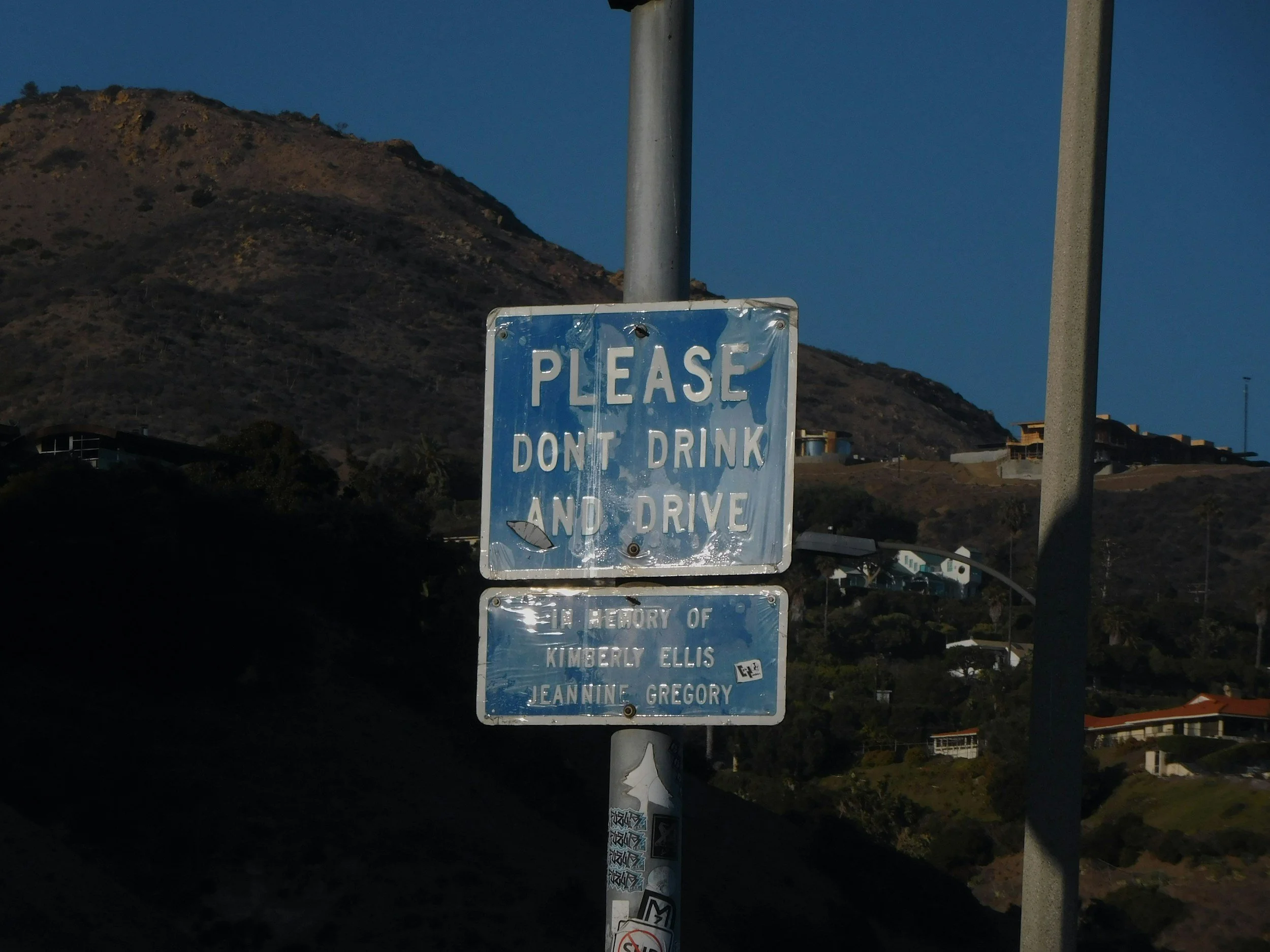
People drive drunk an average of over 300,000 times a day in the United States, but fewer than 4,000 are arrested for it, according to the FBI. The decision to drive impaired is a deadly one.
Read More
EYE INJURIES AND PREVENTION
Our eyes are one of our greatest assets. They give us the ability to see the world around us. If we do not protect our eyes from injuries while at work we could easily lose that ability.
Read More
AUTOMATED EXTERNAL DEFIBRILLATOR (AED)
The list of possible medical emergencies you can experience in life is a long one. A common medical emergency that takes the lives of many people are emergencies that involve the heart. Heart attacks are extremely common; over 725,000 Americans experience a heart attack each year.
Read More
Hazardous Chemicals- Four Routes of Entry
Chemicals exist on virtually every single worksite. Many chemicals used on the job are hazardous to humans depending on how an individual comes into contact with them as well as the amount of the chemical they are exposed to.
Read More