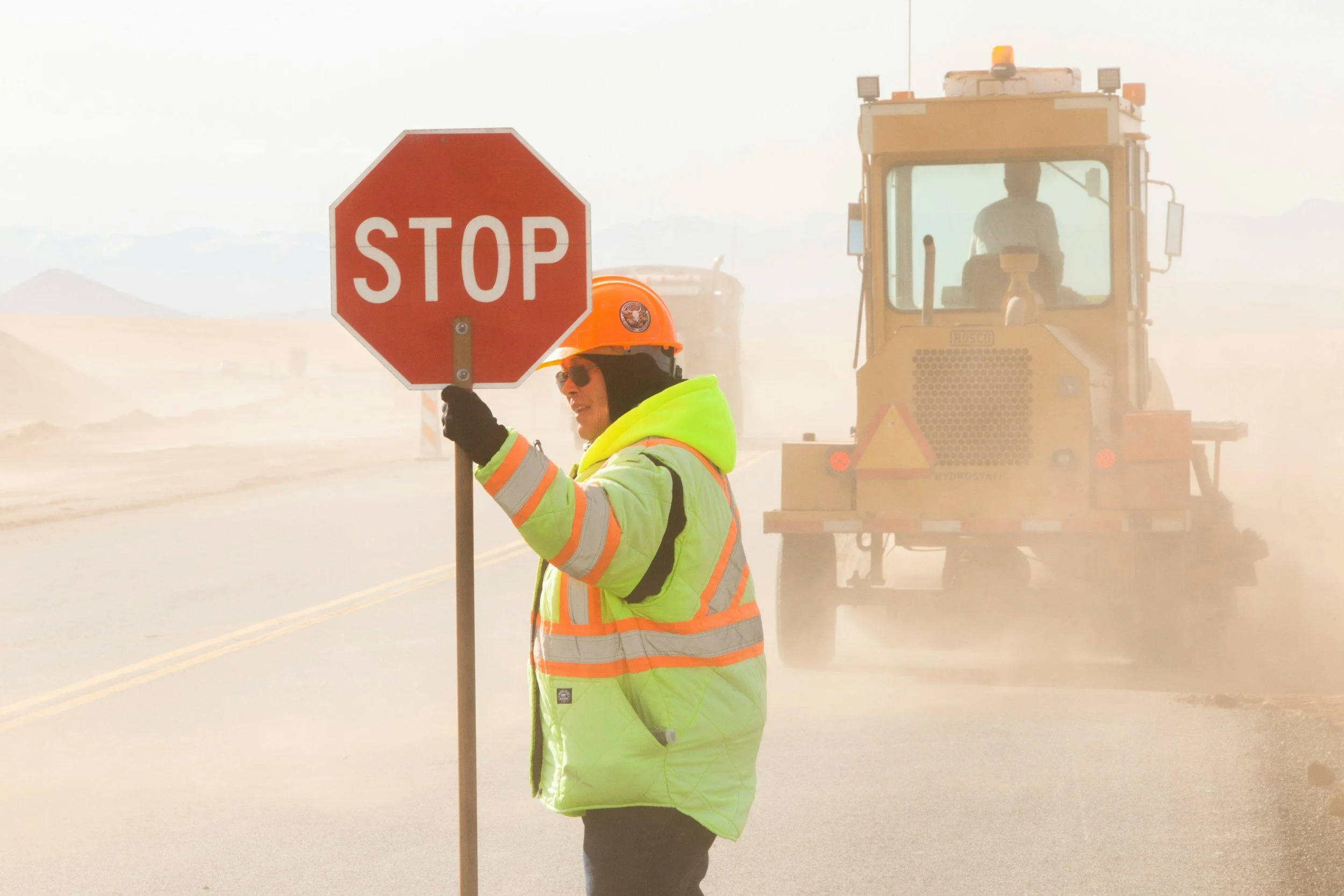
WORK ZONE TRAFFIC CONTROL PART 5
To you, the flagger:
You have been chosen as a traffic flagger because your supervisor feels you are physically able,
mentally alert, and sufficiently commanding in appearance to be obeyed by the motoring public.
You are an indispensable part of all maintenance and construction operations. We want you to
study the following instructions so that they become second nature. Your life, the lives of your
fellow workers, and the lives of highway users depend upon your alertness and on your ability to
control traffic with your stop-slow sign paddle.
Read More
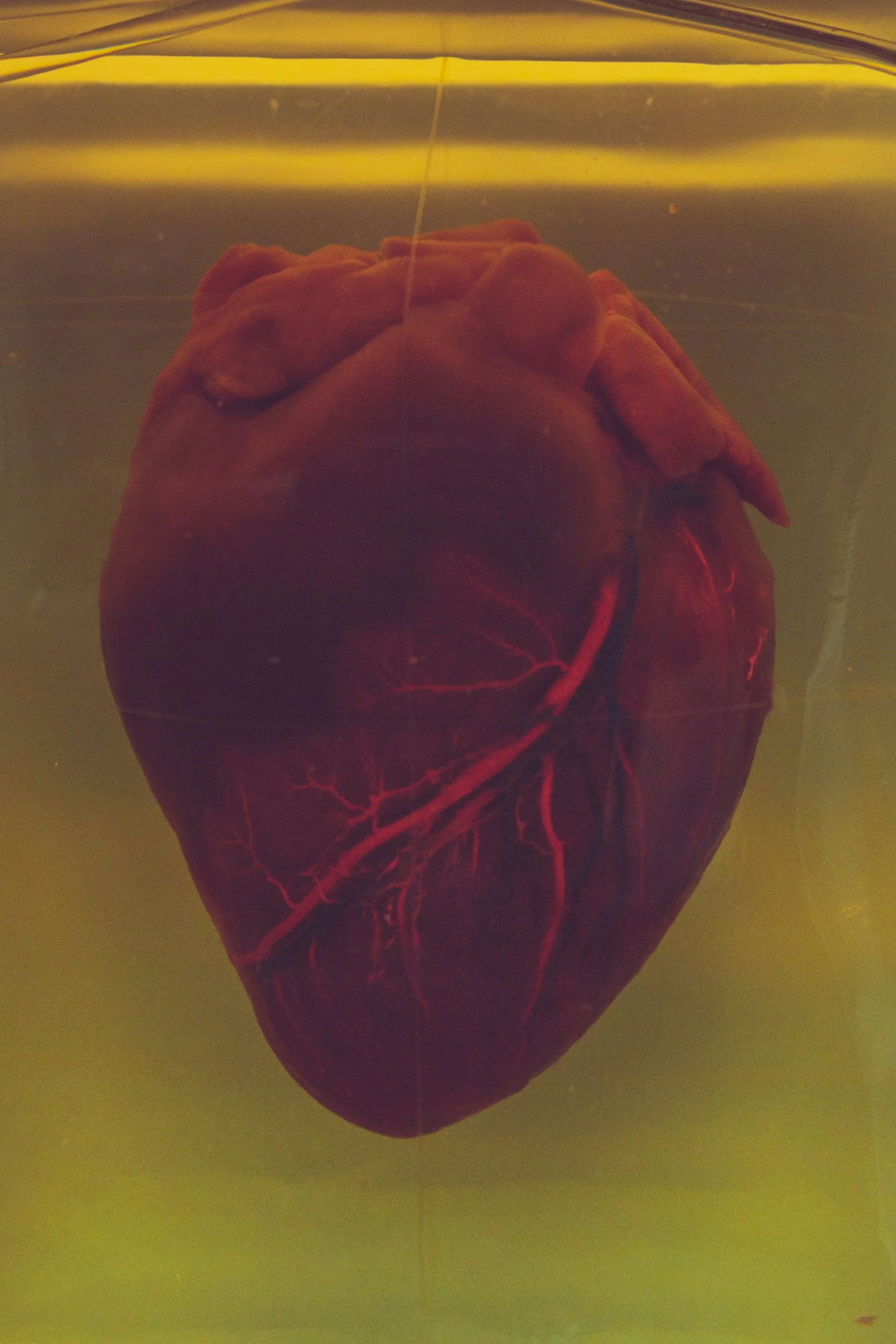
HEART ATTACK SAFETY
Every single year there are 735,000 Americans who suffer heart attacks according to the CDC. Out of that number, 525,000 of them are first-time heart attack victims. Heart disease and heart attacks are an unfortunate reality in our country.
Read More
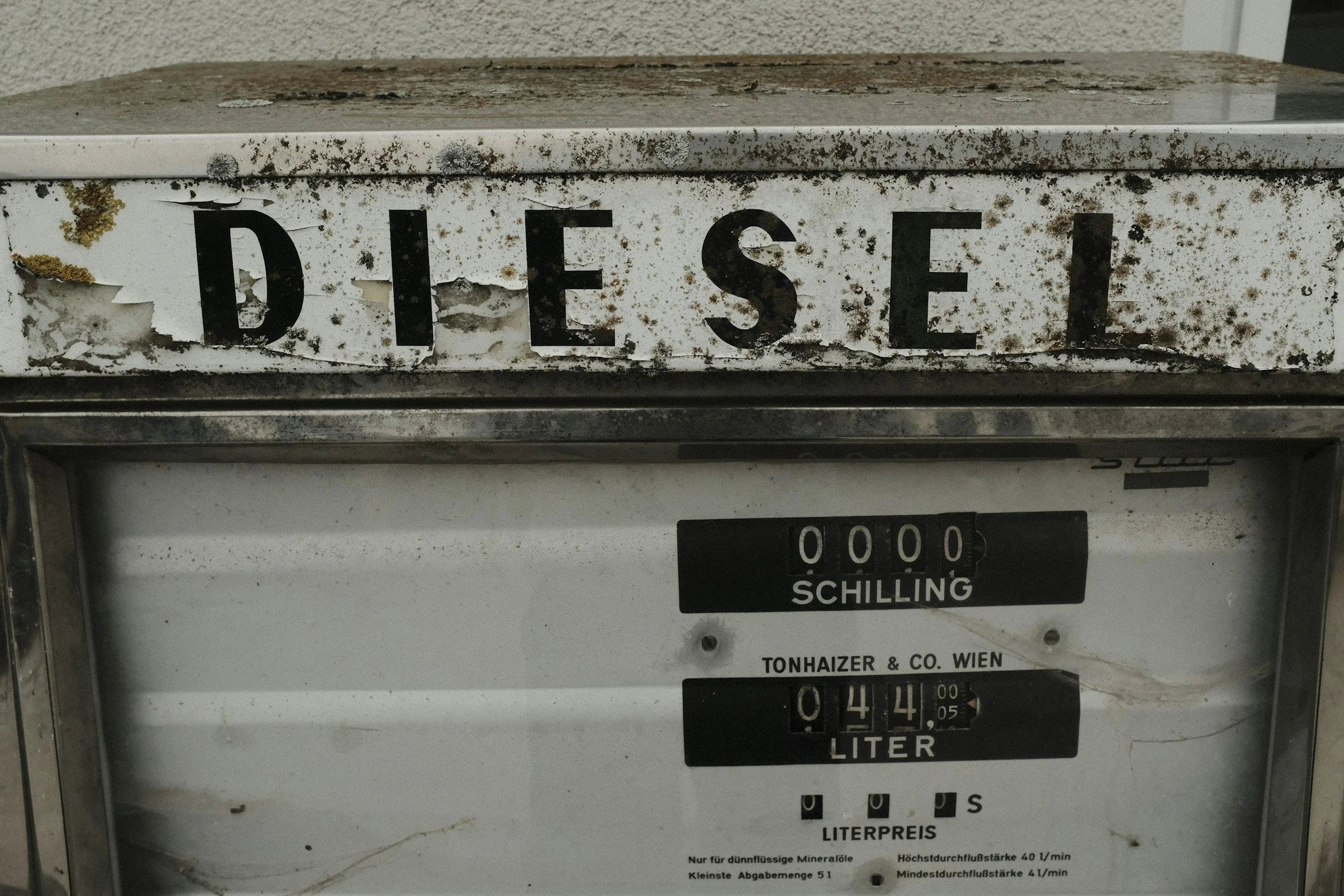
DIESEL EXHAUST DANGERS
Diesel engines are used frequently on construction sites, mines, and other types of work sites. Diesel engines power everything from water pumps to heavy equipment that allows for day-to-day activities to be completed efficiently
Read More
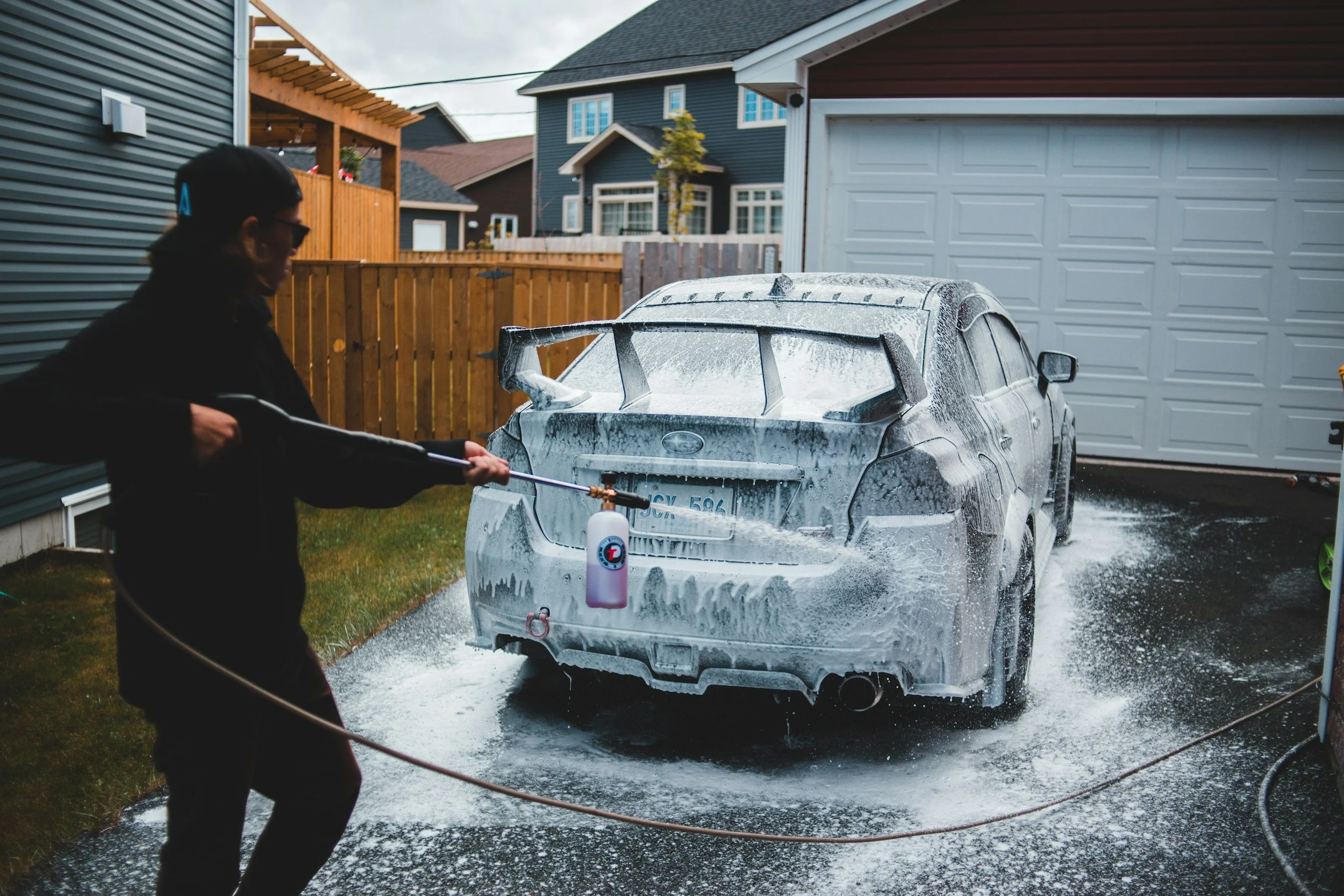
PRESSURE WASHING SAFETY
There are many different types of injuries that can occur while using a pressure washer. According to the Consumer Product Safety Commission, an estimated 6,057 people went to an emergency room with injuries related to pressure washer use in 2014. While the pressure of the water can be considered the biggest exposure to risk during this work task, there are certainly many more hazards to be considered.
Read More
ASBESTOS DANGERS
Asbestos is a material that was widely used in many building materials which are still found around us today. While it is still in use in a few different materials today, much of its use was stopped in the late 1980s after research revealed the negative health effects associated with its fibers. Many people have heard that asbestos is bad for human health, but do not understand how or why this is the case.
Read More
GASOLINE SAFETY
Gasoline is common both on the job and at home for use in both vehicles and equipment we use every day. It is important to practice safe handling and storage of gasoline to avoid spills and fires. Improper use and storage of gasoline leads to many injuries as well as property damage year after year.
Read More
HIGH WIND DANGERS
Weather plays a huge role in our ability to work safely when working outdoors. While rain, snow, ice, and hot temperatures are often discussed, less focus is given to the hazards wind can create for workers. It is important to realize the different hazards high winds can pose and what can be done to work safely in these conditions.
Read More
DANGERS OF SNAKES
There are many different kinds of wildlife that can pose a danger to workers in the United States. Different geographical regions deal with different types of wildlife. Snakes, both venomous and non-venomous, can be a major concern for many different workers across the U.S. It is important to consider if snakes could be in your work area and what steps need to be taken to prevent any type of injury or incident due to them.
Read More
HYDRATION: THE IMPORTANCE OF WATER
Water is one of the most important substances on Earth. All plants, animals, and people need water to survive. Water serves important purposes to our bodies and our bodily functions- some of which you may not even be aware of….
Read More
CLOTHING AND SAFETY
An important but often overlooked aspect of safety is what we decide to wear each day on the job….
Read More
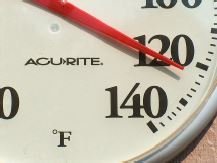
HEAT STRESS
Outside of the direct consequences such as heat stroke, heat stress can cause incidents due to loss of focus or excessive fatigue on the job….
Read More
SAFETY TRAINING
The LMK Pipe Renewal safety Committee will provide safety training of the following types.
All employees, as specified are required to receive such safety instructions.
Read More
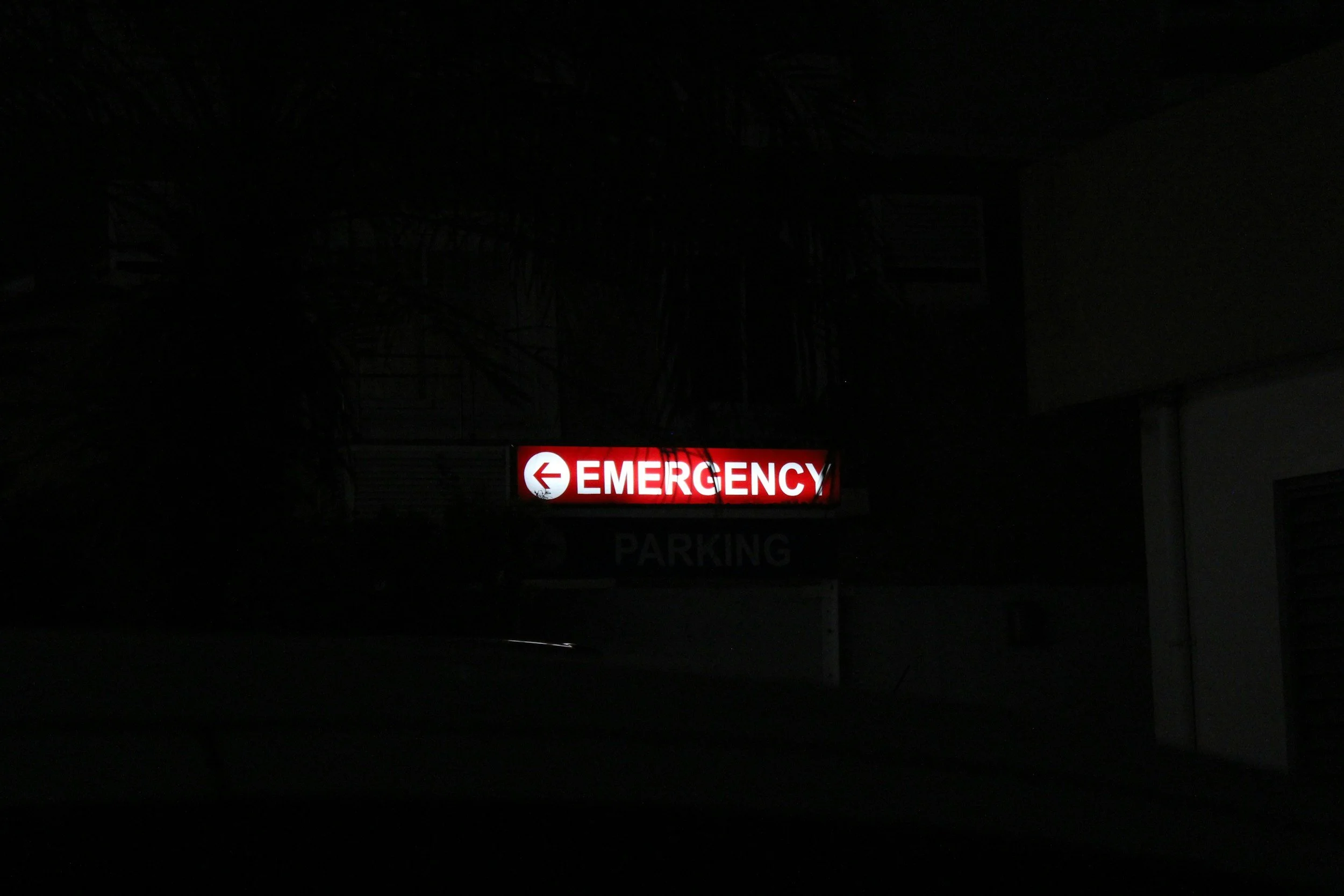
EMERGENCY ACTION PLAN
LMK Pipe Renewal has made the decision that personal safety takes precedent over company
property in all emergencies. No extreme action should be taken that Threatens personal safety.
Dial 911 in the event of an emergency.
Read More
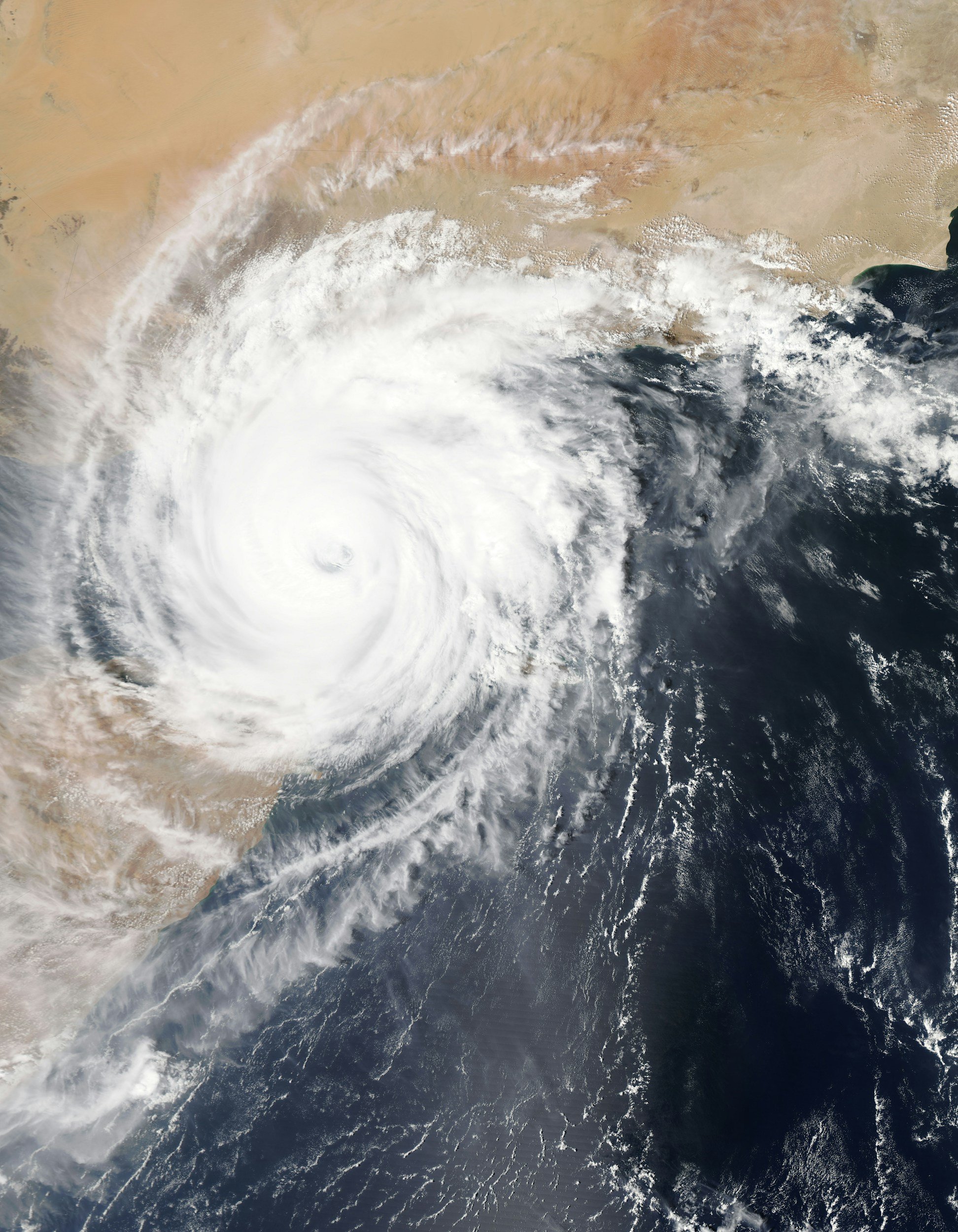
HURRICANE PREPAREDNESS-RESPONSE PLAN
It is company policy to stop or delay construction activities, 24 to 48 hours prior to landfall
depending on the project’s geographical distance from our closest shop/yard. The only
exception would be for any activity related to prepping or securing the job site for the coming
storm.
Read More
WORK ZONE TRAFFIC CONTROL PART 6
To stop traffic
Stand in a safe position on the shoulder. Face traffic and extend the paddle in a vertical position
so the full STOP face can be seen by approaching drivers. Night flagging may include the use of
a red lantern or light. To stop traffic the light should be waved back and forth across the path of
an approaching vehicle
Read More
WORK ZONE TRAFFIC CONTROL PART 5
To you, the flagger:
You have been chosen as a traffic flagger because your supervisor feels you are physically able,
mentally alert, and sufficiently commanding in appearance to be obeyed by the motoring public.
You are an indispensable part of all maintenance and construction operations. We want you to
study the following instructions so that they become second nature. Your life, the lives of your
fellow workers, and the lives of highway users depend upon your alertness and on your ability to
control traffic with your stop-slow sign paddle.
Read More
Amputations in the Workplace
Amputations are a very serious health and safety concern in the workplace. OSHA reports there is an average of seven amputations that occur in US workplaces every single day.
Read More
NINE BASIC CONSTRUCTION SAFETY RULES
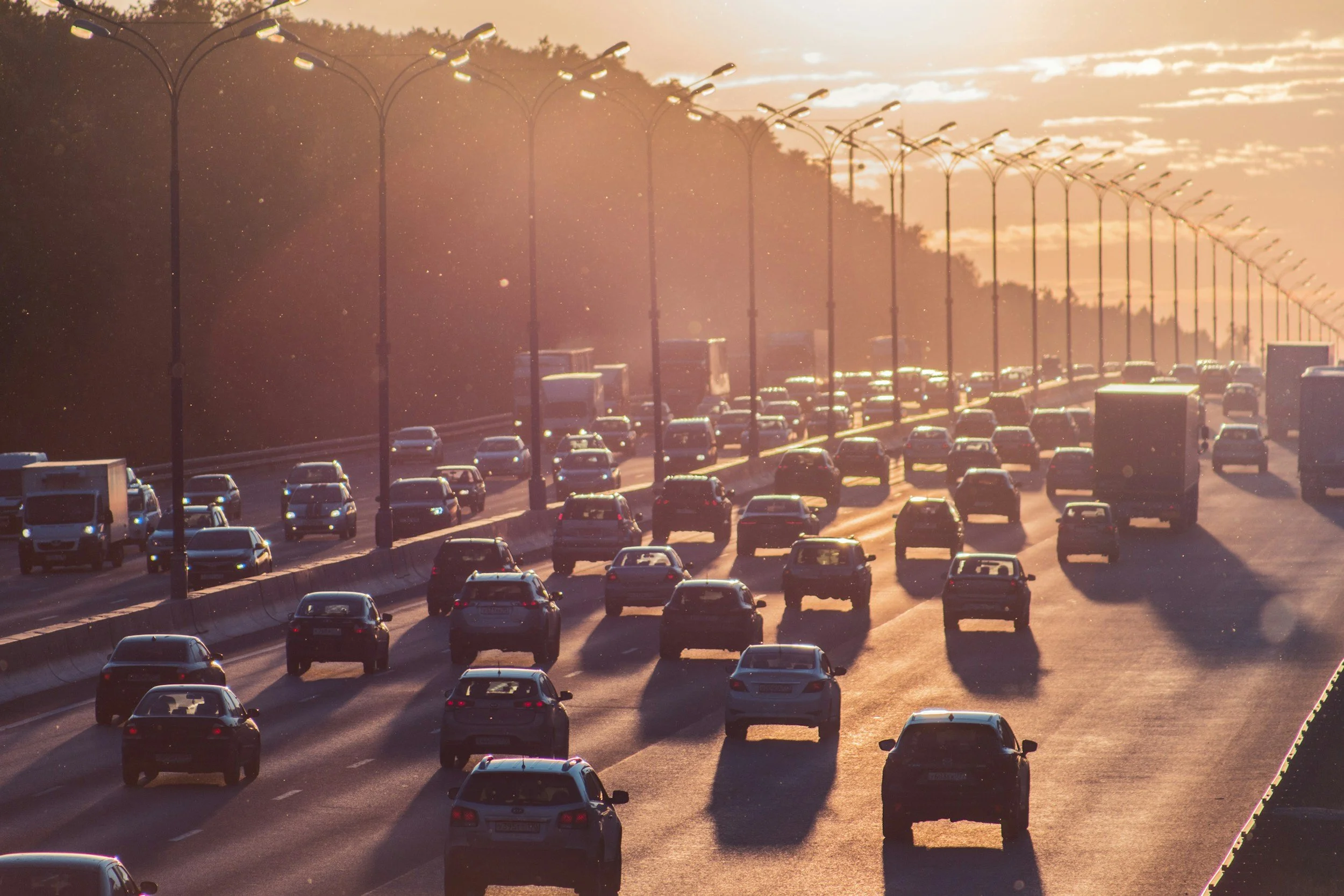
1. Always wear your seatbelt when in a vehicle or heavy equipment. Seatbelts are critical to preventing serious injuries and death while driving or operating. Motor vehicle crashes are still the number one cause of fatalities on the job in the United States……..
Read More
PINCH POINTS AND HAND INJURIES
We use our hands for virtually all work tasks that we do. Because of how often we use our hands, they are put in the line of fire where they can be injured. Hand injuries are the second leading type of injury on the job in the United States.
Read More
LEAVE YOURSELF AN OUT
Leave Yourself an Out
All too often individuals are injured at work due to putting themselves into the line of fire or finding themselves in a place where they cannot escape danger. There are many different examples of these types of incidents. From a dropped load falling onto your foot to rear-ending the car in front of you, there are many scenarios like these incidents that are preventable if you leave yourself an out.
Read More